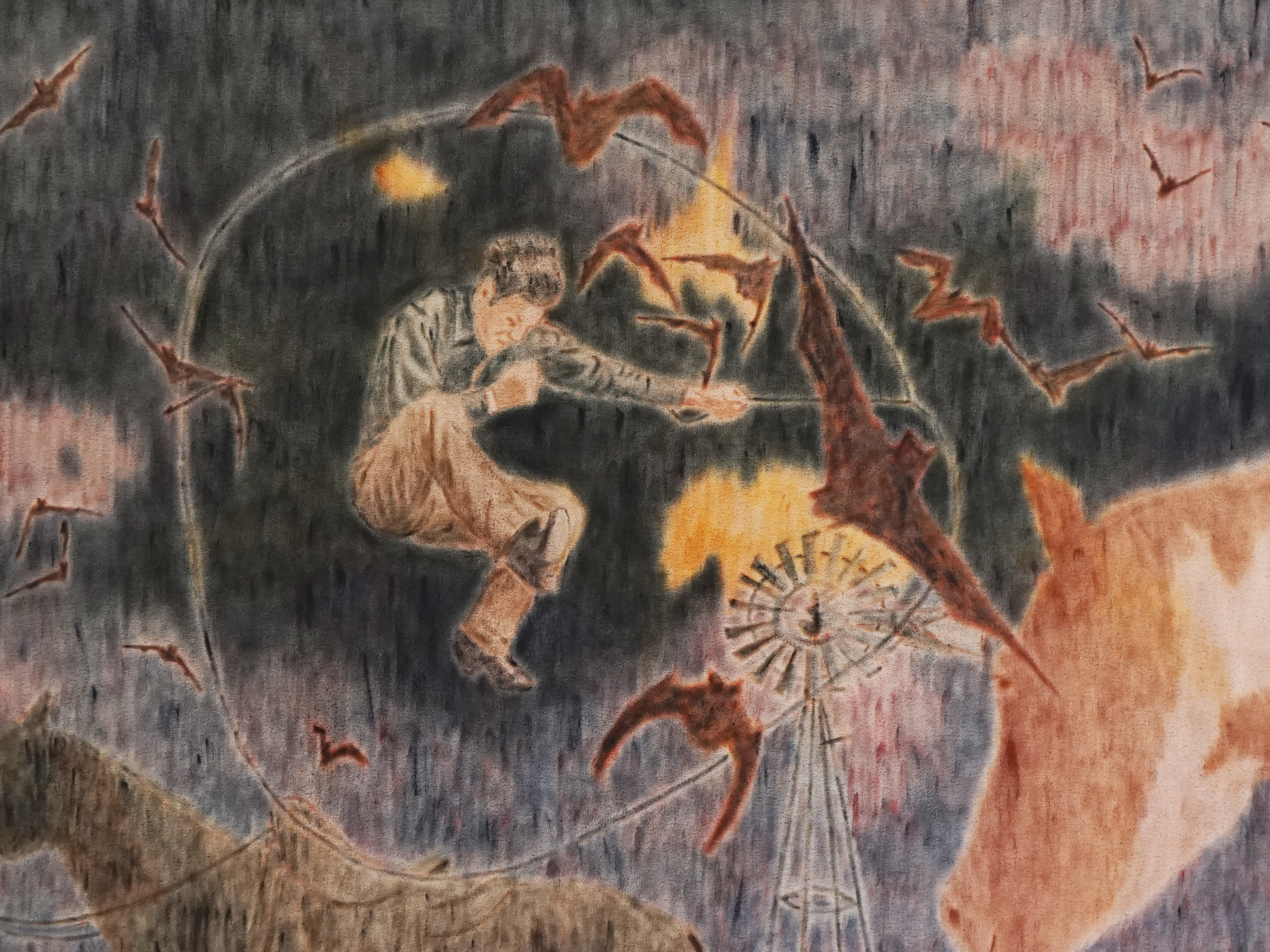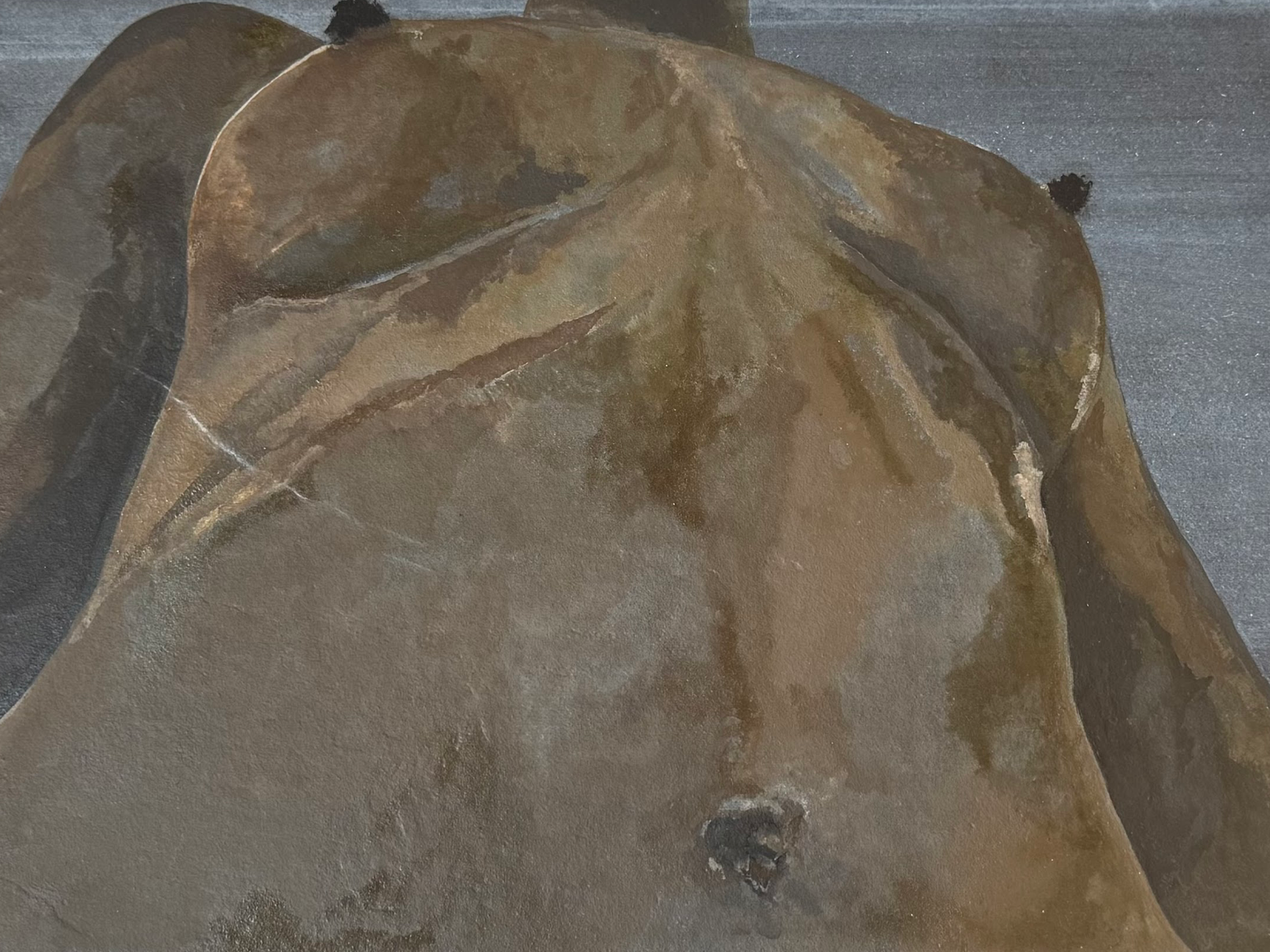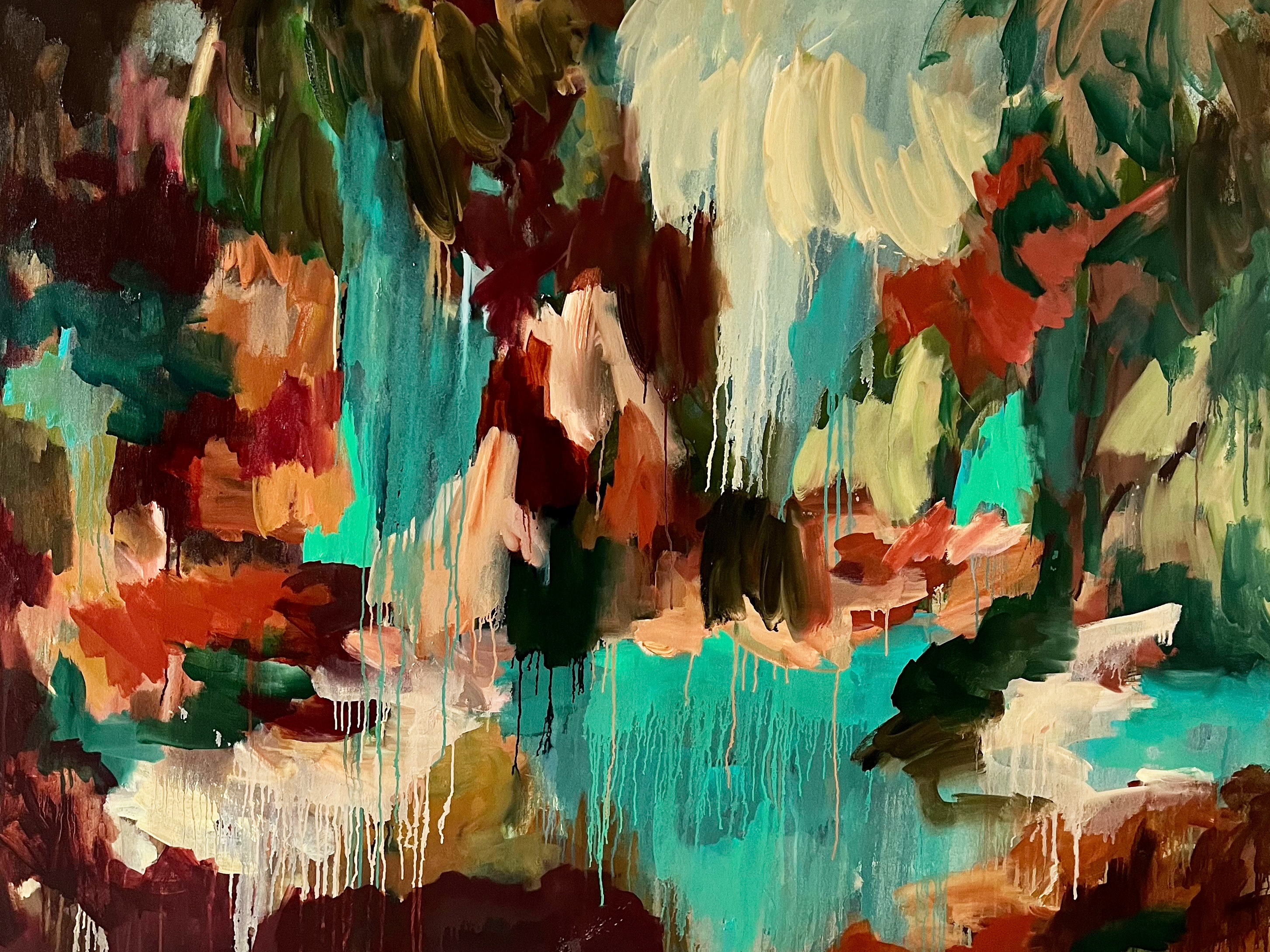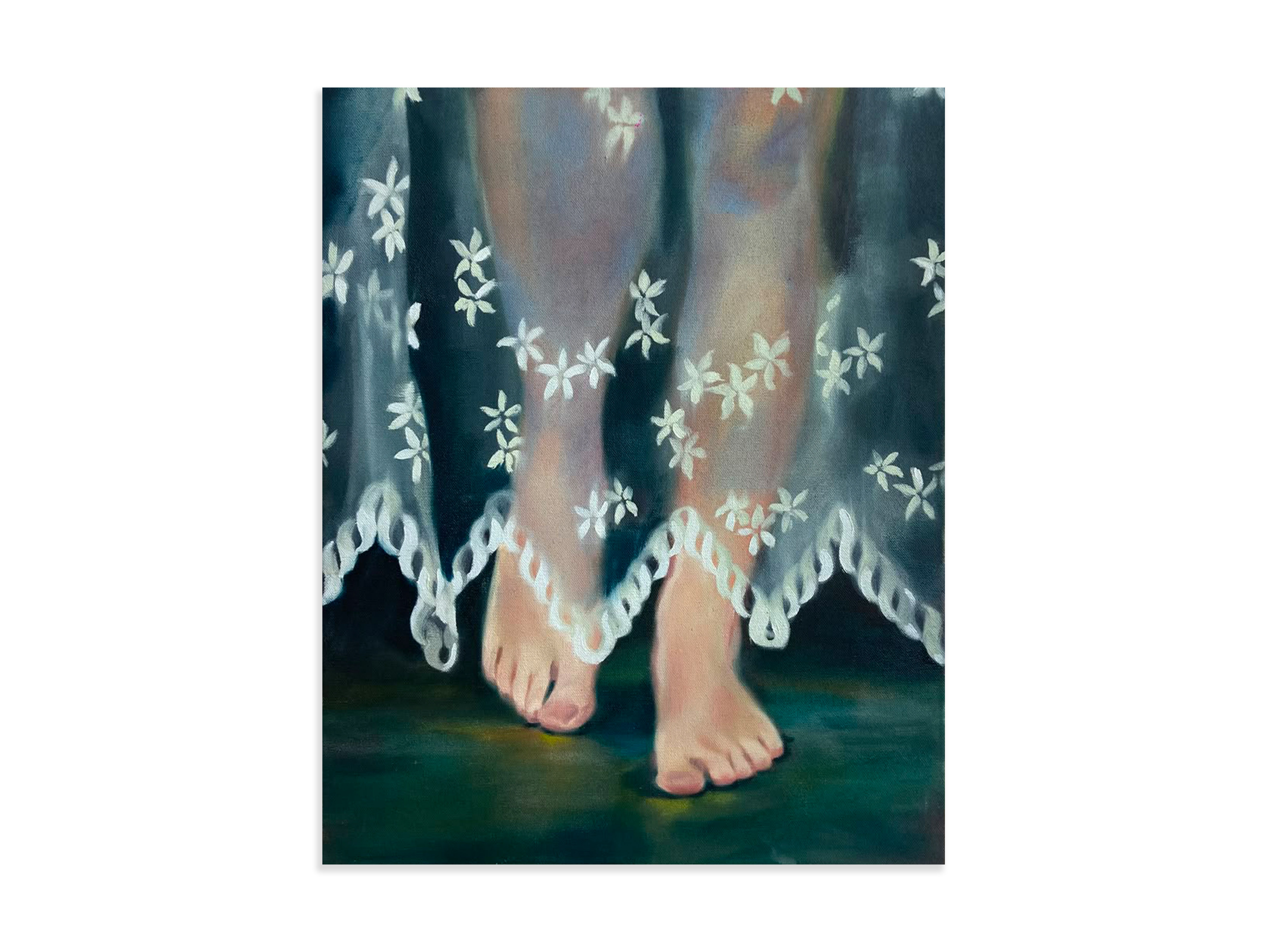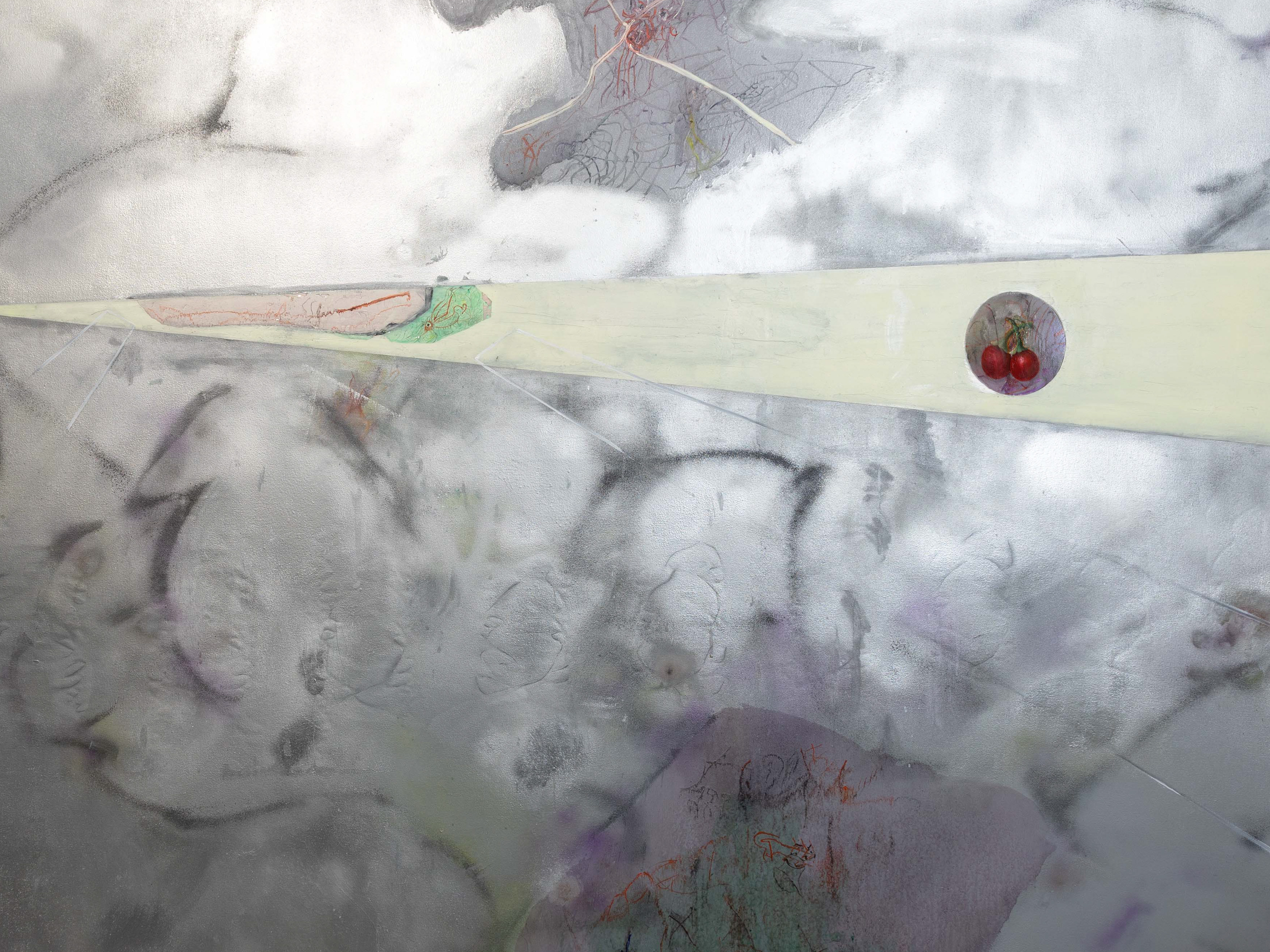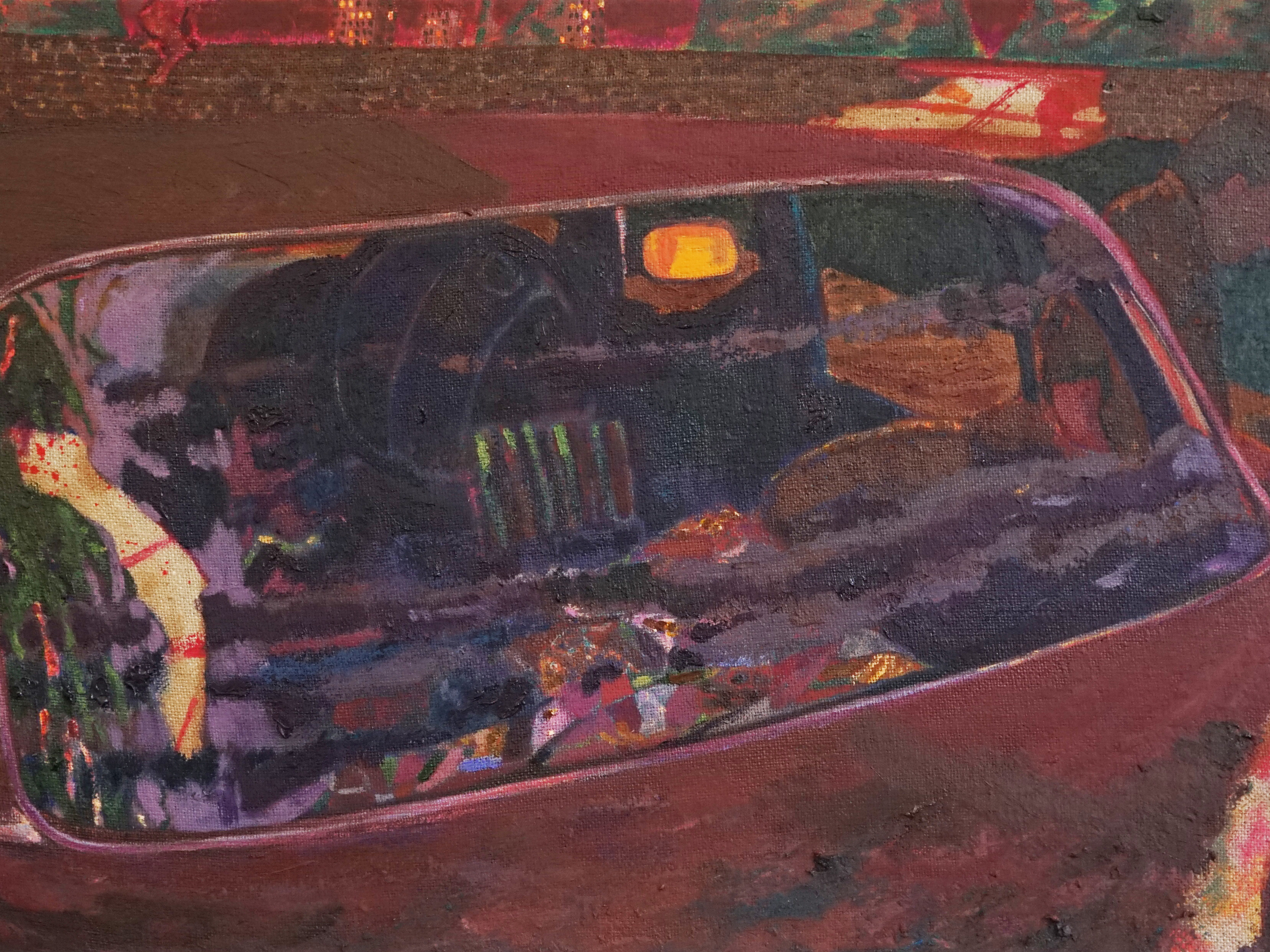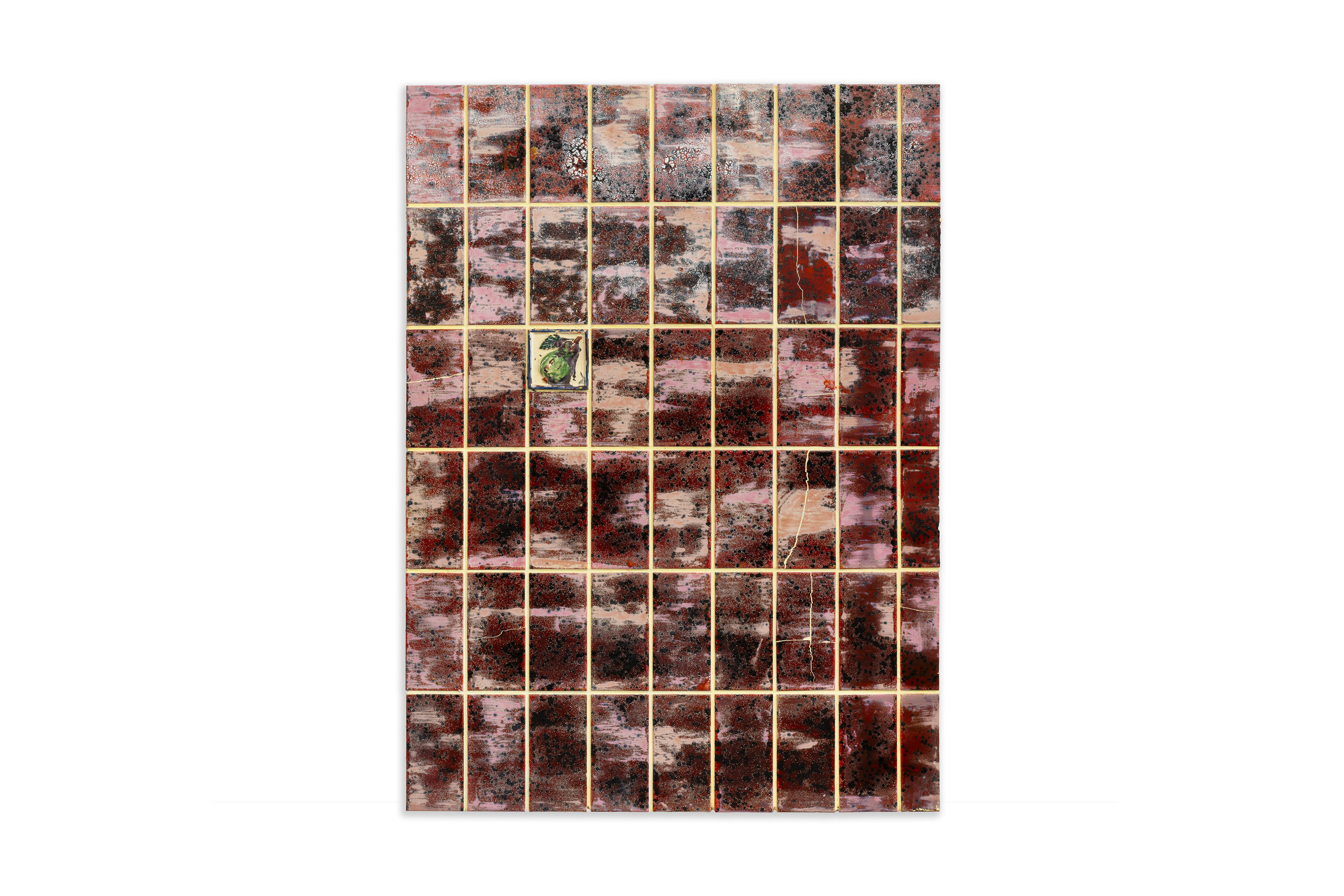
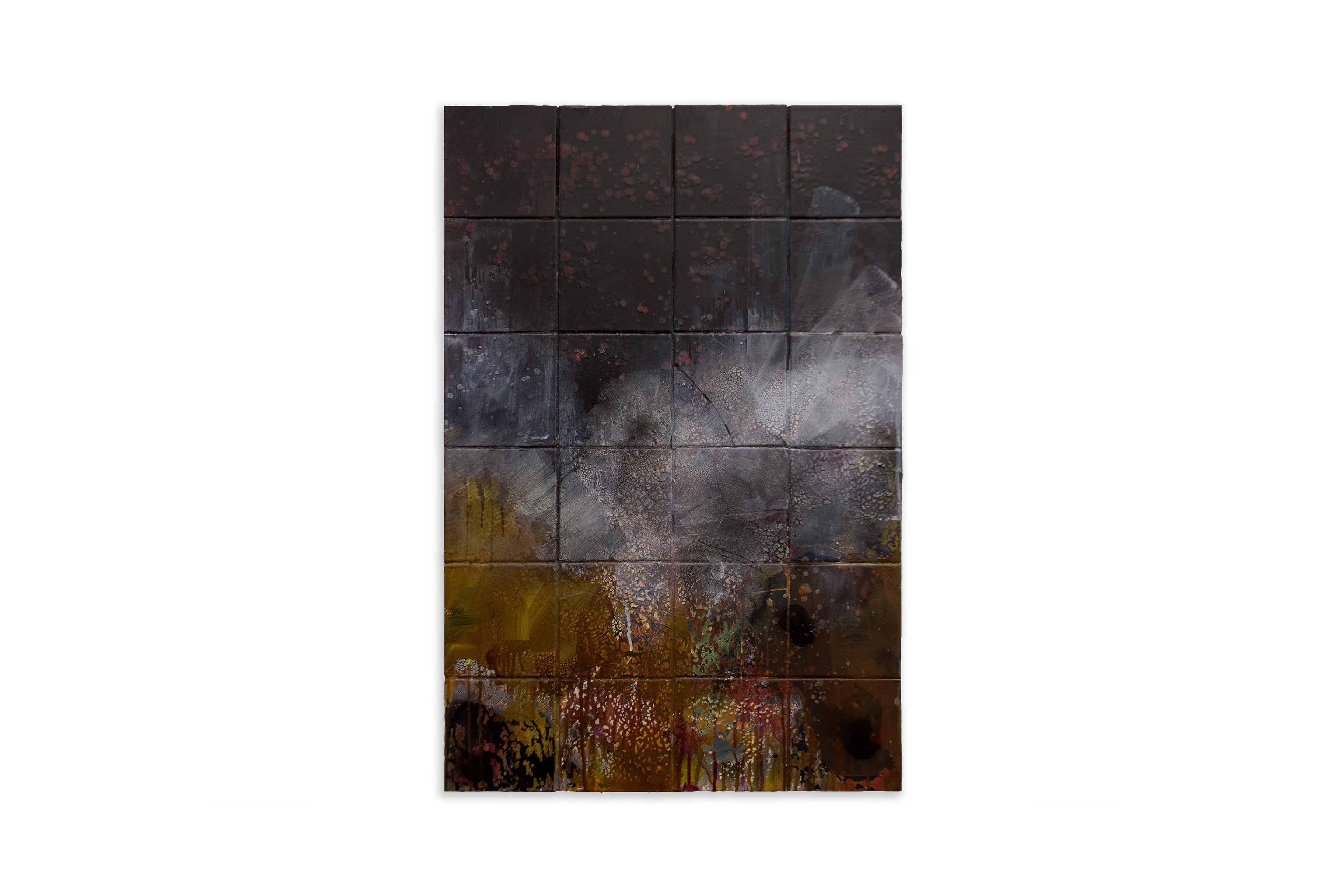
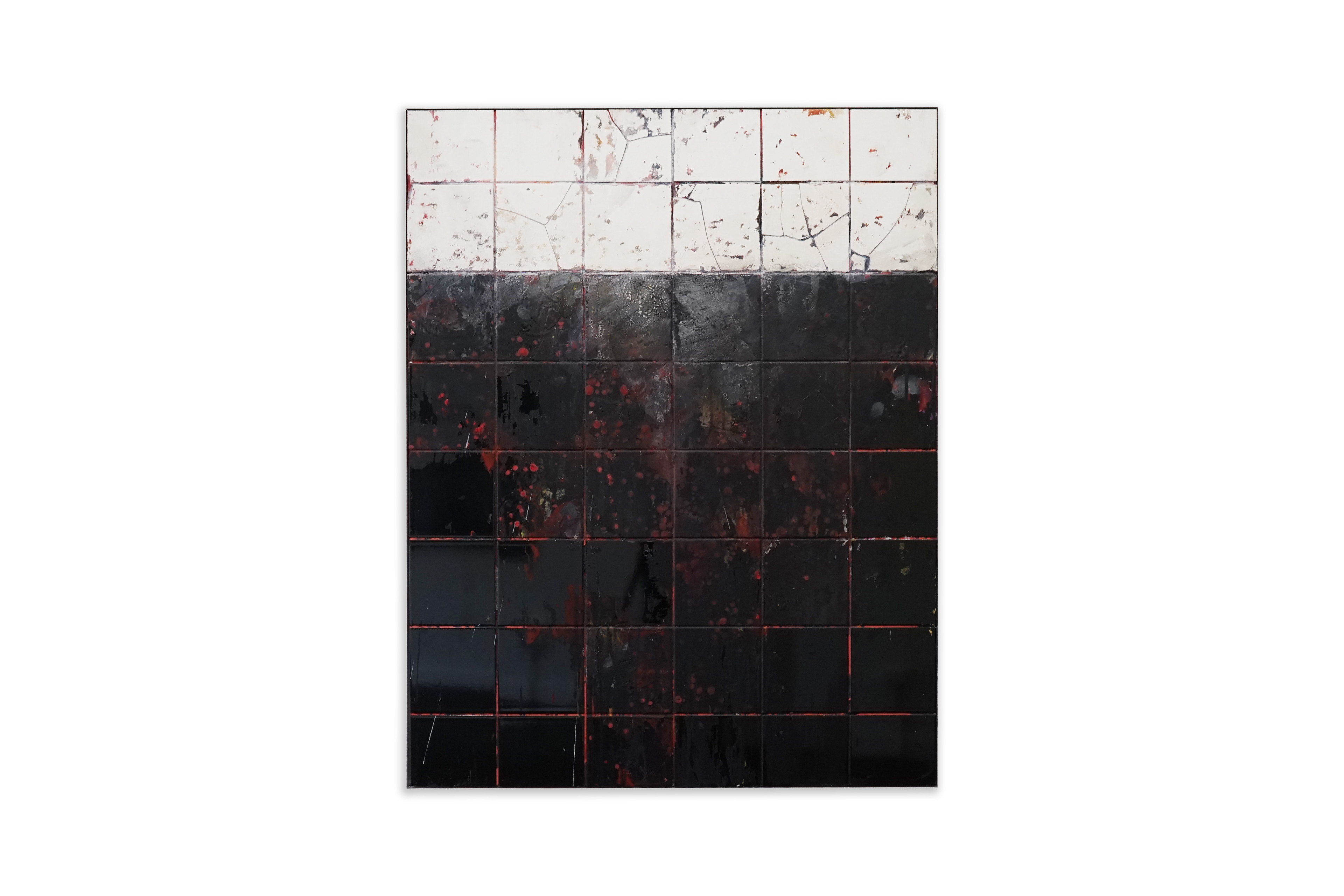
Ocean, ceramic tiles, ceramic glazes, grout, and acrylic on tile backer board, 122.5 x 90 cm, 2026
Twilight Contemporary is thrilled to present Ruins Romance, the debut solo presentation of London based, Bergamo born artist Luca Longhi at the gallery until 25th September. Inspired by the act of moving through citified space, Longhi’s sculptural works draw our attention to the vivid expressions of human life and history that can be found on the walls and surfaces of the metropolis.
In Ruins Romance Longhi aims to capture and reproduce the specific mood and atmosphere of the overlooked corners of urban space. Here, the vandalisations, the accidental scuffs and scrapes and the areas of decay that adorn the many surfaces of the city centre are faithfully emulated through paint and mark-making. To do this, Longhi’s practice is one of relinquishing control, of letting oneself be ruled by the unplanned, the automatic, the unknown. This manifests itself in an improvisational, serendipitous artistic process of adding, removing, building, covering and then adding again. For Longhi, a work is very often not finished until it has undergone an extensive, unpredictable arc, during which it has been taken to the brink of ruin and brought back through gentle restorative cleaning. It is this sense of risk, this terrifyingly close proximity to the threat of total destruction, which makes Longhi’s work feel so vital and so energetic. It is for these same reasons that that each work also feels so true an ode to the urban cityscape, defined as the city is by its physical unfixed-ness, locked in a endless cycle of demolition and reconstruction.
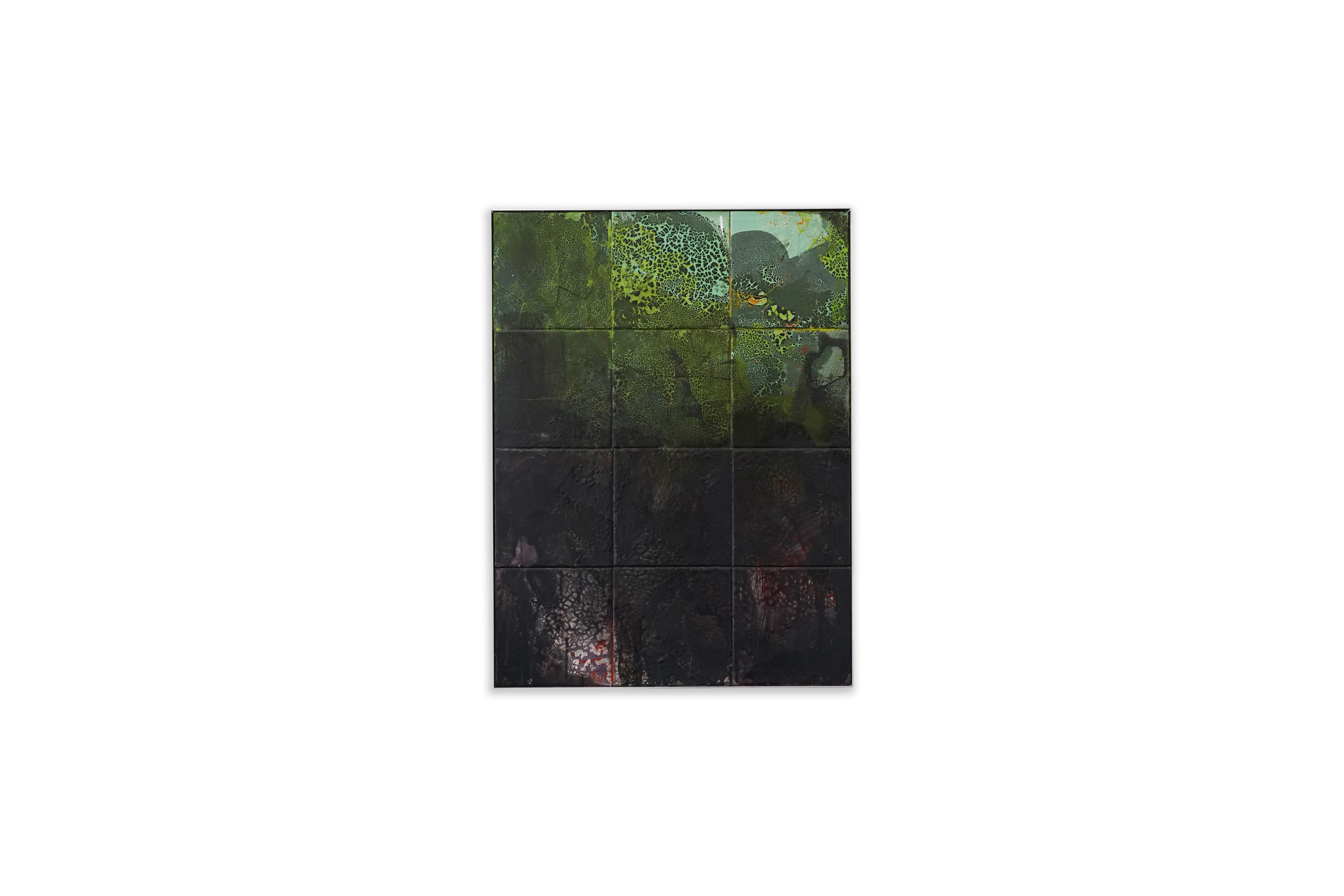
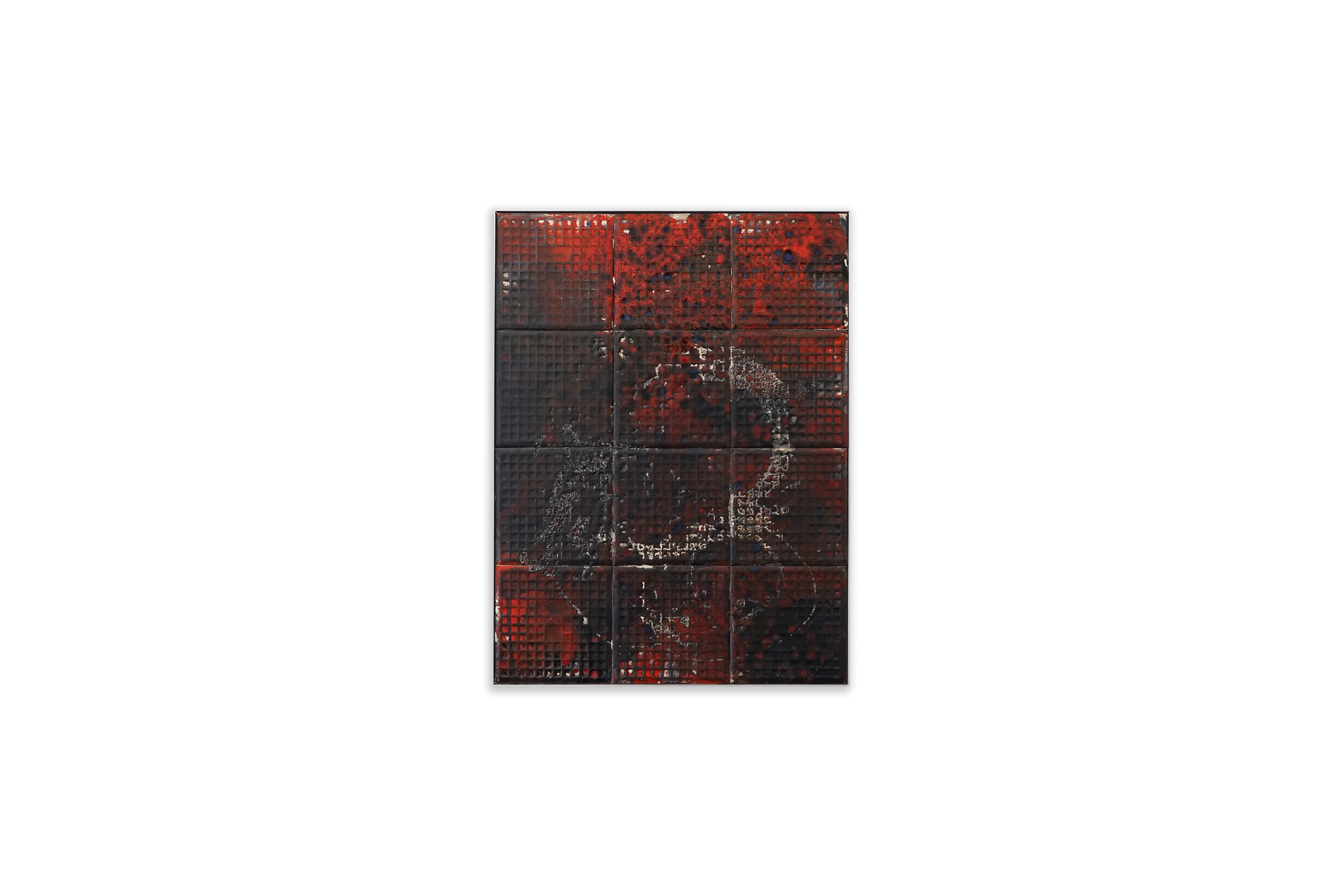
Longhi’s work is distinctly sculptural in nature, using a variety of unconventional, heavy materials such as ceramic, cement and wood to channel the visual language of buildings in public space. At first glance, the ceramic tiles that constitute the main body of each work immediately stand in visually for the brickwork and grouting that is ubiquitous in a city. However, these tiles also constitute a grid, a mathematical, formalised structure that seems to be overlayed over a more chaotic, natural substrate. In this way, each grid square acts as a sort of holding unit, or a container, that attempts to couch within it the ungovernable, biological disarray of the natural world. Throughout the exhibition, the rough, organic-looking impasto textures on the surface of each work begin to suggest both that of the macro and the micro. Many works could be interpreted as simultaneously representing an expansive aerial view of some grand natural formation like a mountain range or the tiniest flowering of a microbial growth in an agar dish. Thus, the lines that run up, down and across each of Longhi’s compositions which create concentrated areas of texture and form seem to have the same effect as that of a map or an ordnance survey. The squares seem to divide the unfamiliar landscape up into units and provide a geometric framework with reference points, reflecting the human impulse to impose some form of order over chaos and indeterminacy.
Longhi’s practice originates in a recognition that the walls and surfaces that surround us in cities are not just passive, idle structures: they are the receivers and recorders of history. Each mark that scars the surface of a wall, whether intentional or wholly accidental, is the potential record of a life lived. In this sense, the wearing of time is not dilapidation, it is the accumulation of history. For Longhi, everyday sights like the exhausted facade of an abandoned building, the chipped, pen-scrawled tiles in a public toilet or the multicoloured, peeling layers of paper on an advertising billboard are not just symbols of human neglect, they are scattered, historical fragments that join to form a rich patina: an anthropological archive from which various stories of human joys, disappointments, desires and sufferings can be gleaned. In this way, the works on show in Ruins Romance take on a distinctly politicised aspect. They demonstrate a sensitive, human-centric vision of urban space. One that stresses the crucial importance of living amongst architecture that responds to us, that is affected by us as much as we are affected by it, and that welcomes rather than alienates.
Throughout Ruins Romance, Longhi’s work stands as an affirmation of the crucial importance of a public space in which human presence is seen and felt in the very fabric of its buildings. As such, Ruins Romance can be seen as a subtle but powerful form of resistance, a rejection of the soulless, corporate drive towards ‘regeneration’ with its blank, sterile uniformity and its catastrophic erasure of history and community. Words by Jamie Hope.
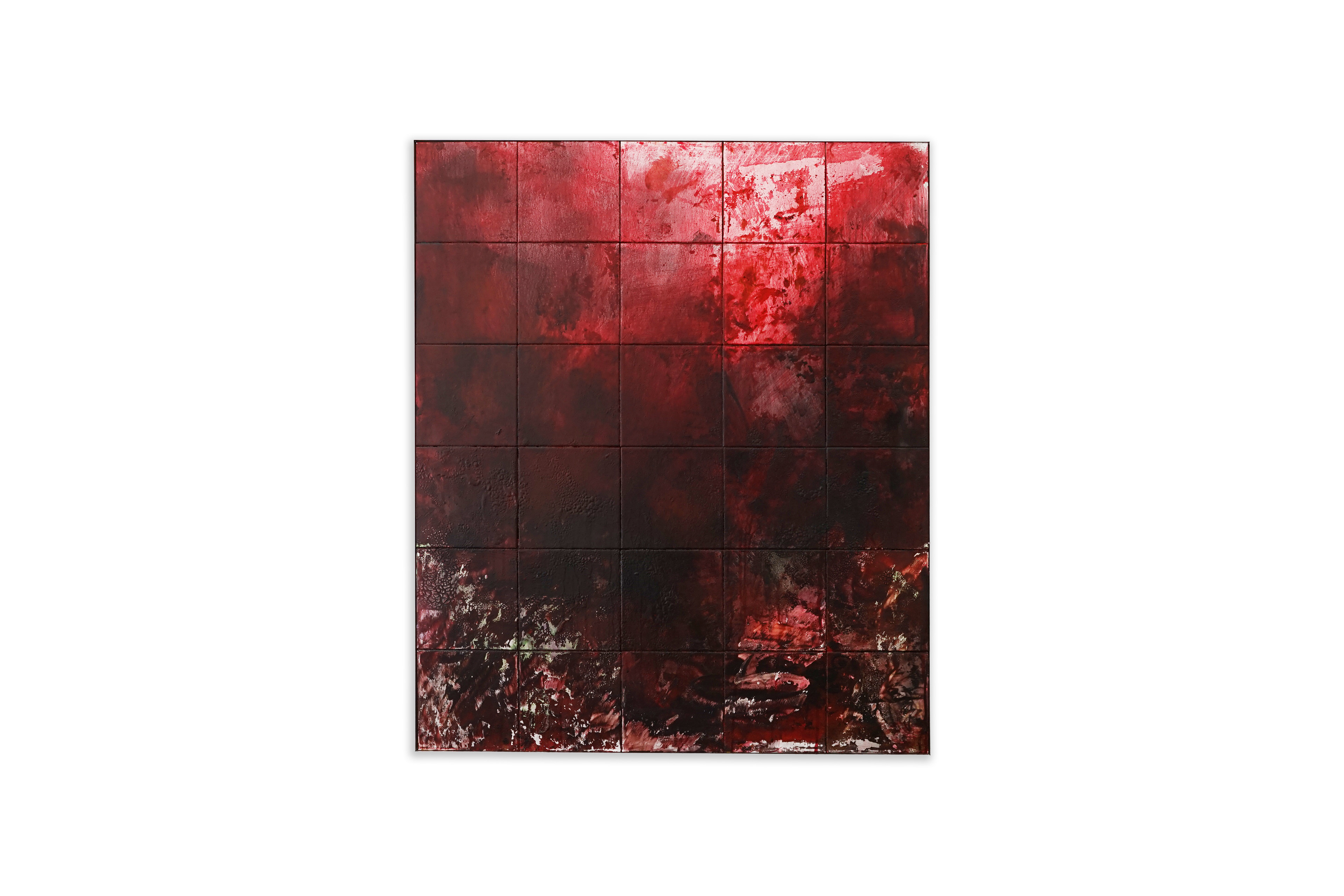
Blurry,
Ceramic tiles, ceramic glazes, grout, and acrylic
on tile backer board,
90 x 75 cm, 2026
Price on request
Whoosh,
Ceramic tiles, ceramic glazes, grout, and acrylic
on tile backer board,
90 x 60 cm, 2026
Price on request
Untitled 2,
Ceramic tiles, ceramic glazes, grout, and acrylic
on tile backer board,
60 x 45 cm, 2026
Price on request
Untitled 1,
Ceramic tiles, ceramic glazes, grout, and acrylic
on tile backer board,
60 x 45 cm, 2026
Price on request
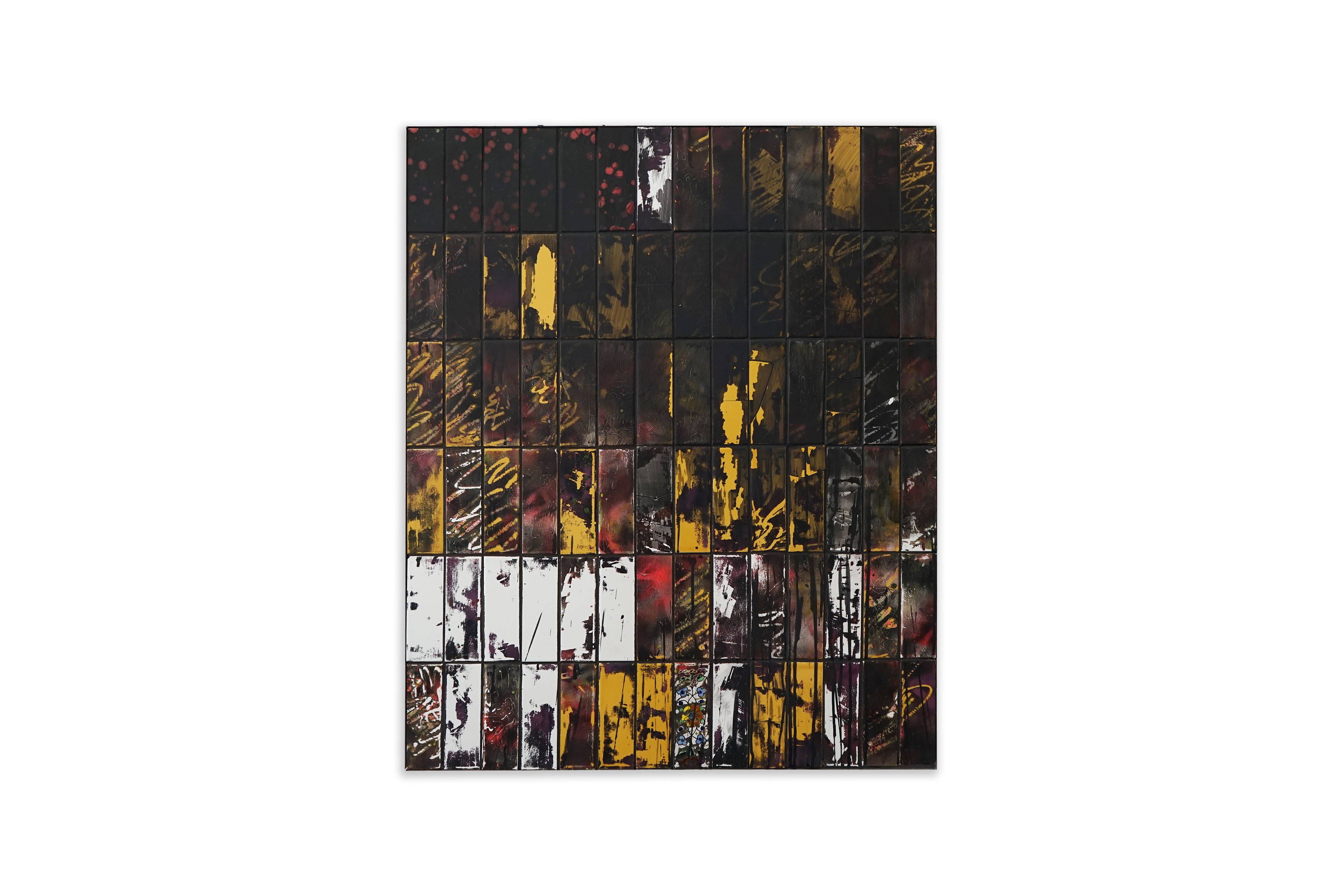
Street Hassle,
Ceramic tiles, ceramic glazes, grout, and acrylic
on tile backer board,
91 x 74 cm, 2026
Price on request
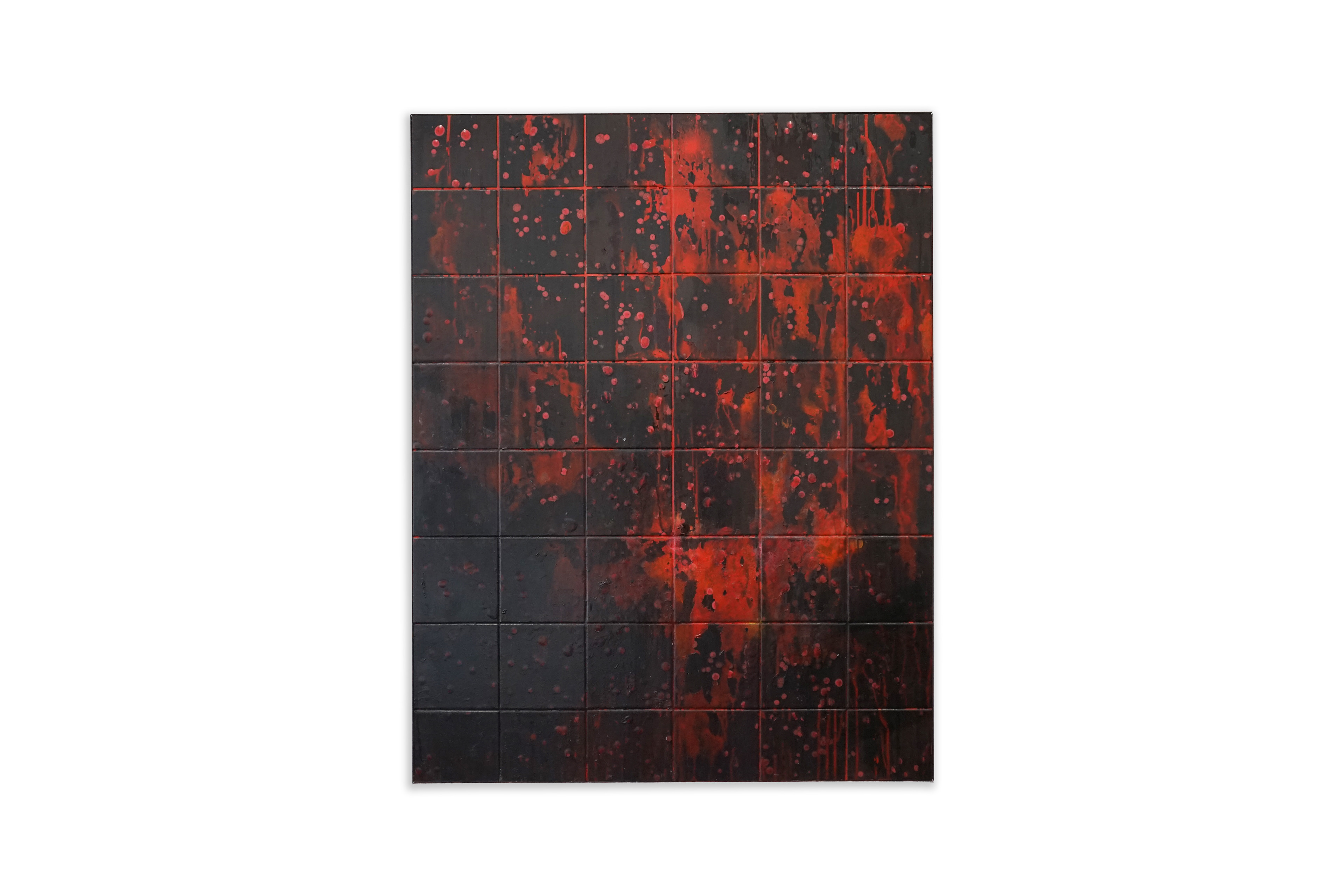
Pressure,
Ceramic tiles, ceramic glazes, grout, and acrylic
on tile backer board,
116 x 90,5 cm, 2026
Price on request
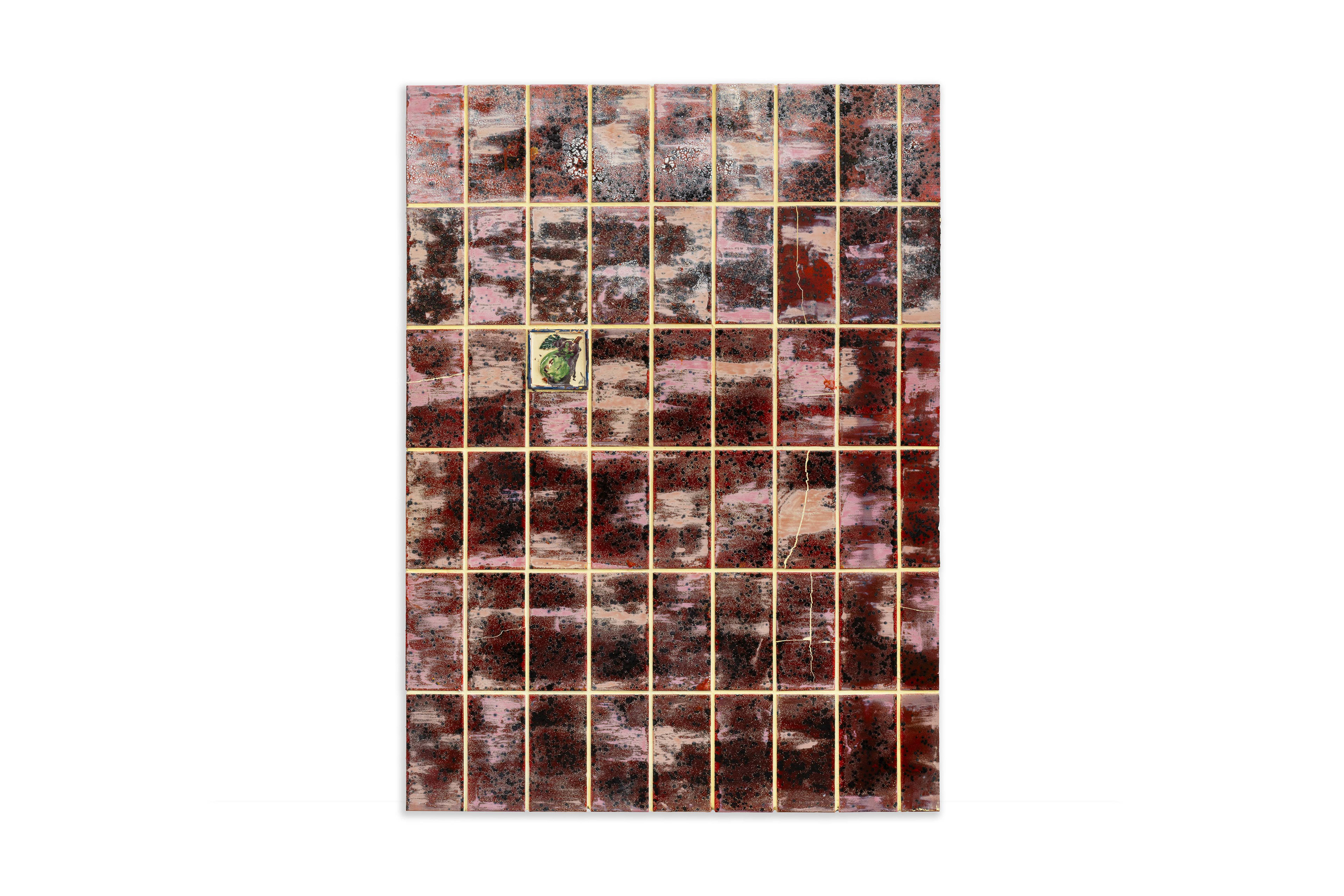
Ocean,
Ceramic tiles, ceramic glazes, grout, and acrylic
on tile backer board,
122,5 x 90 cm, 2026
Price on request
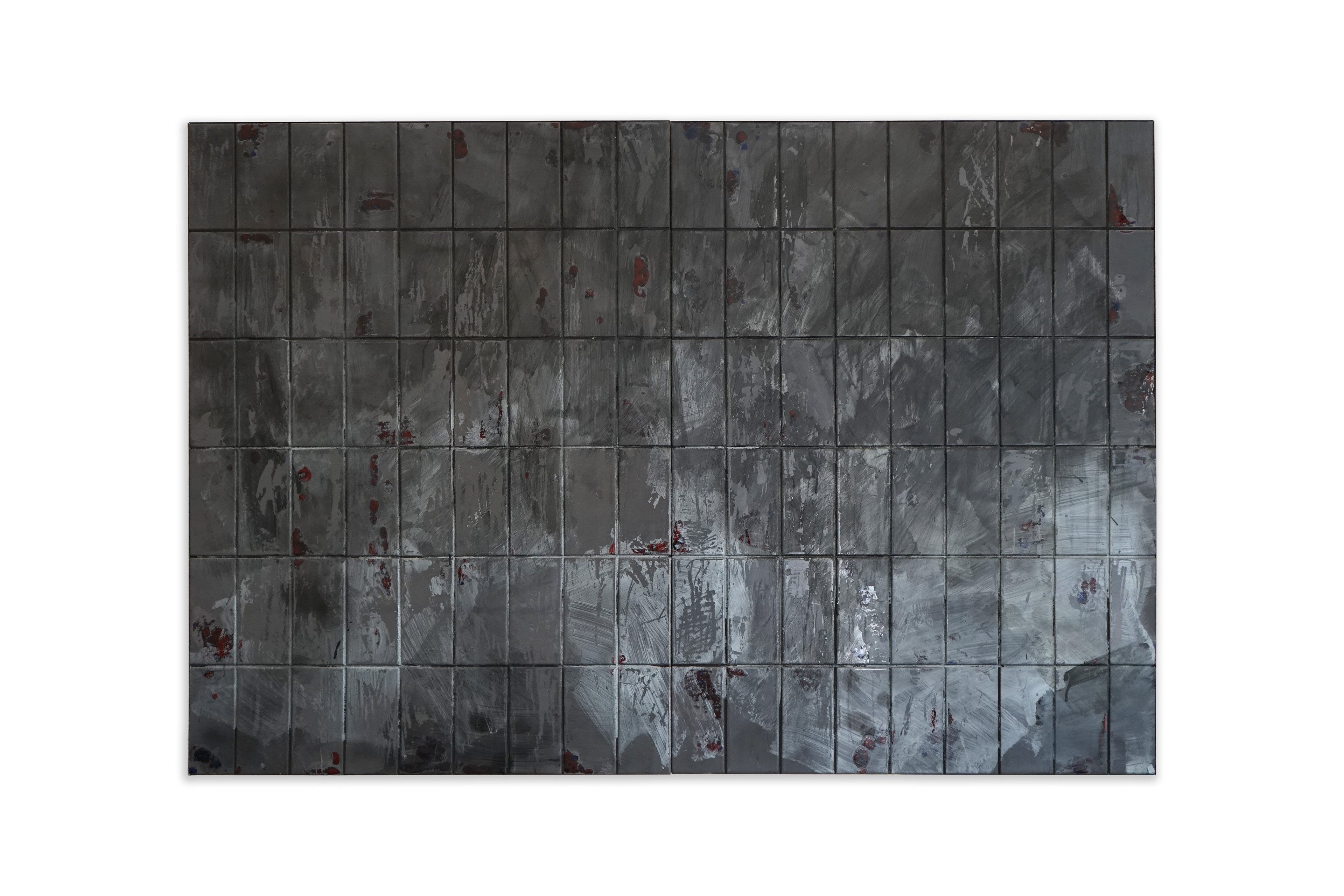
Has it Ever Happened,
Ceramic tiles, ceramic glazes, grout, and acrylic
on tile backer board,
181 x 123 cm, 2026
Price on request
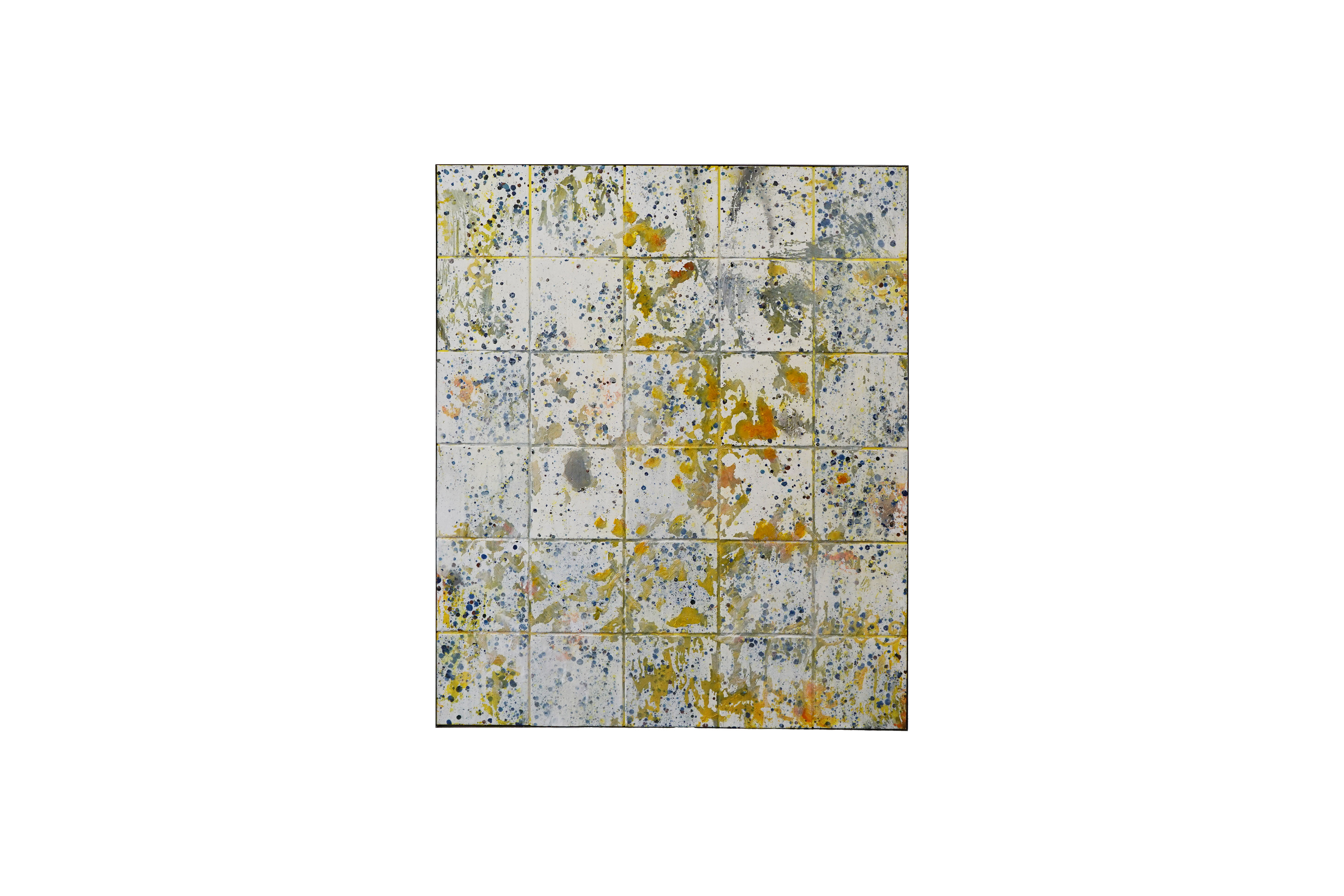
Happy Ending,
Ceramic tiles, ceramic glazes, grout, and acrylic
on tile backer board,
91 x 76 cm, 2026
Price on request
Cling,
Ceramic tiles, ceramic glazes, grout, and acrylic
on tile backer board
116 x 90,5 cm, 2026
Price on request
JOIN OUR MAILING LIST:
Thank you!
For all sales enquires : enquiries@twilightcontemporary.com
Copyright 2026 © Twilight Contemporary Ltd.