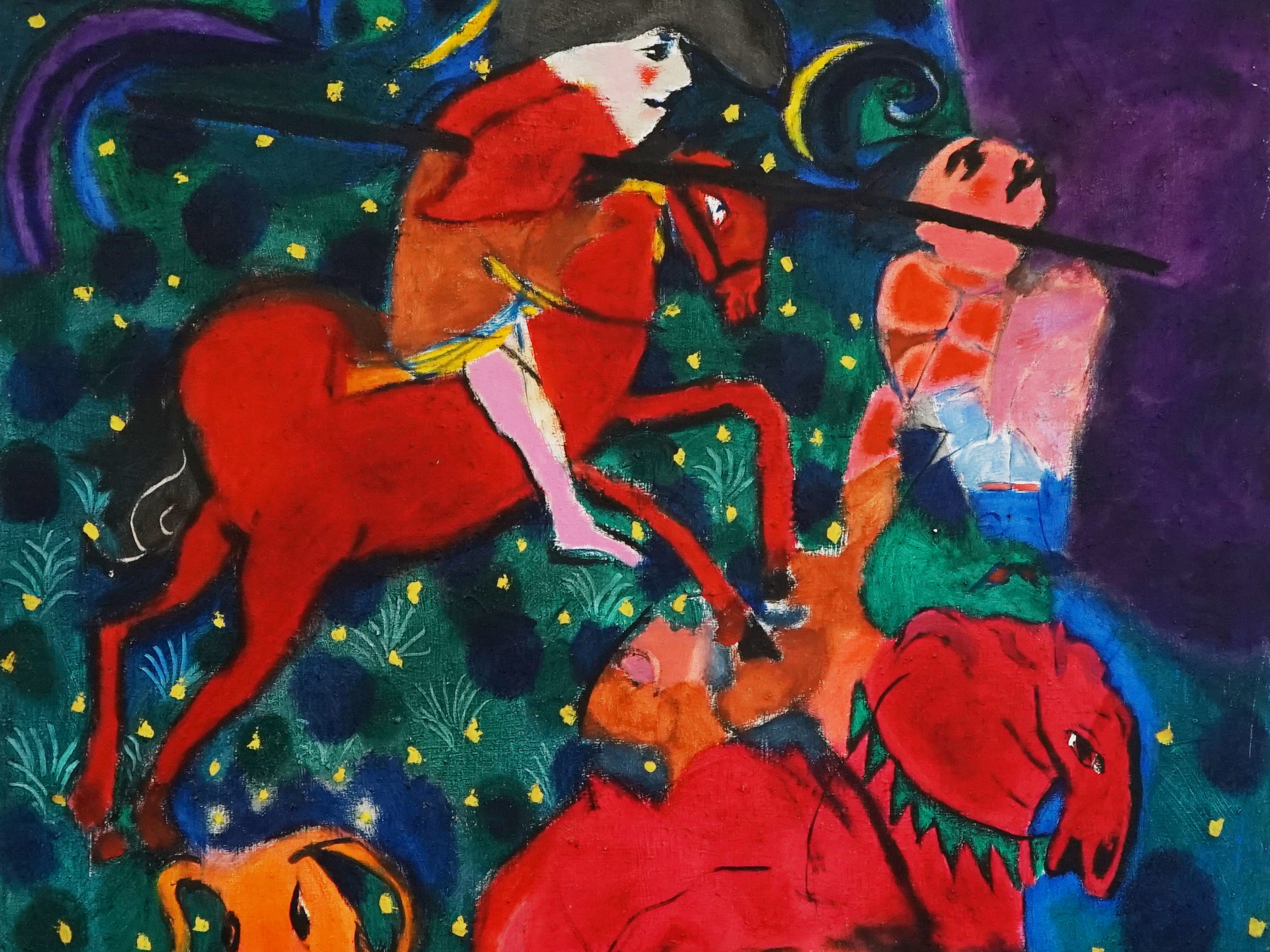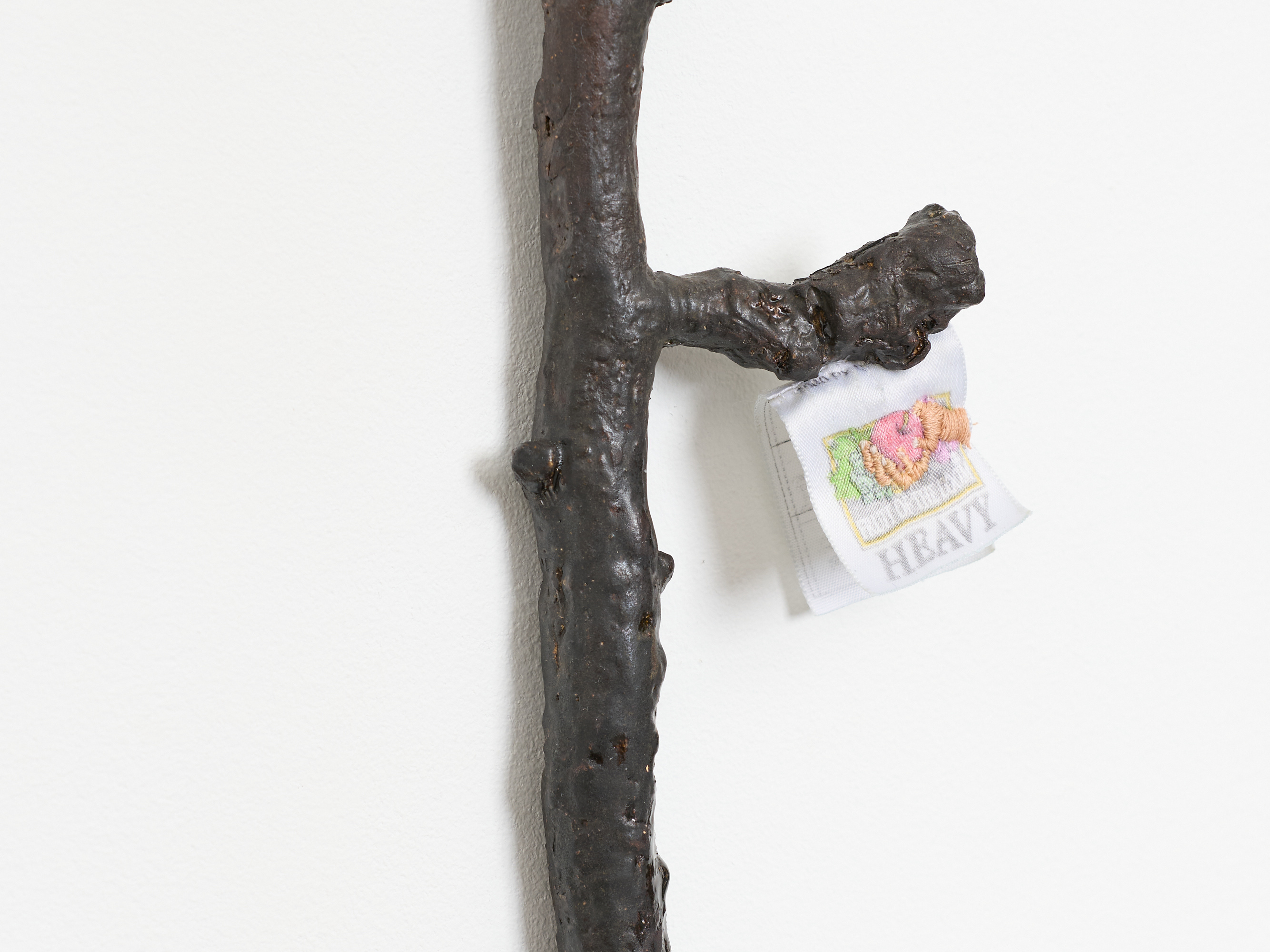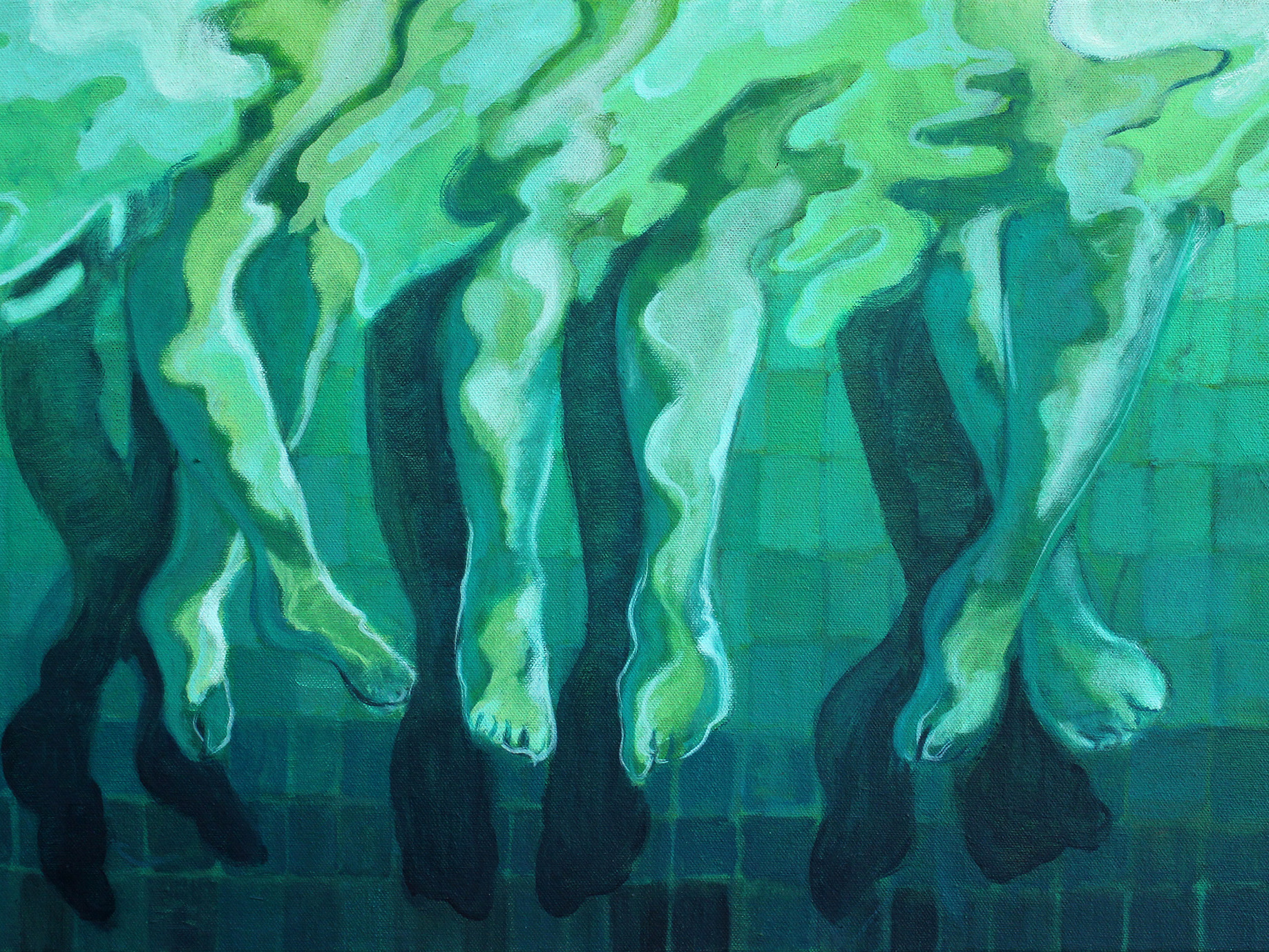
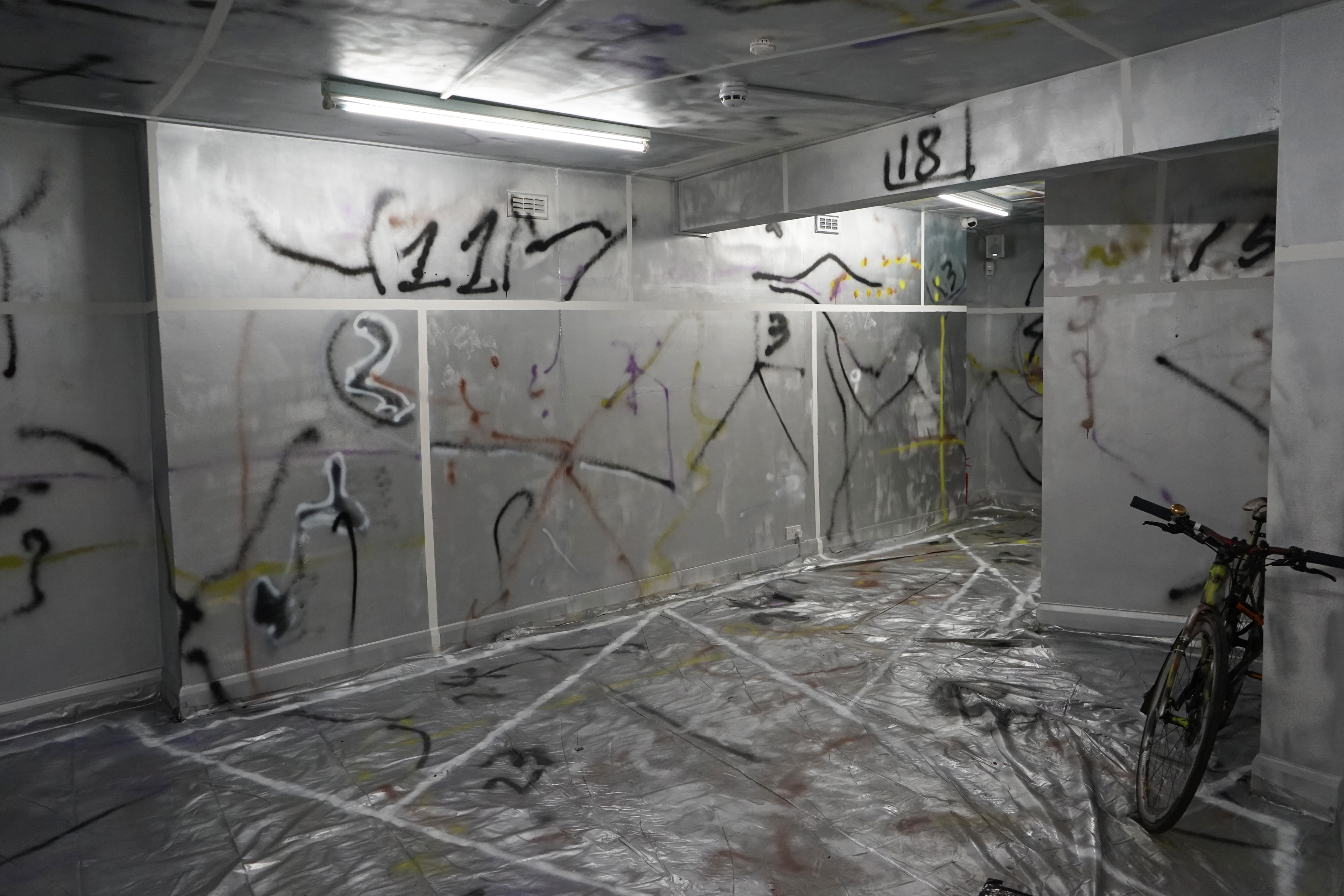
'P-1 x 28,' Ho-sa Wang, Installation shot, Dimensions variable
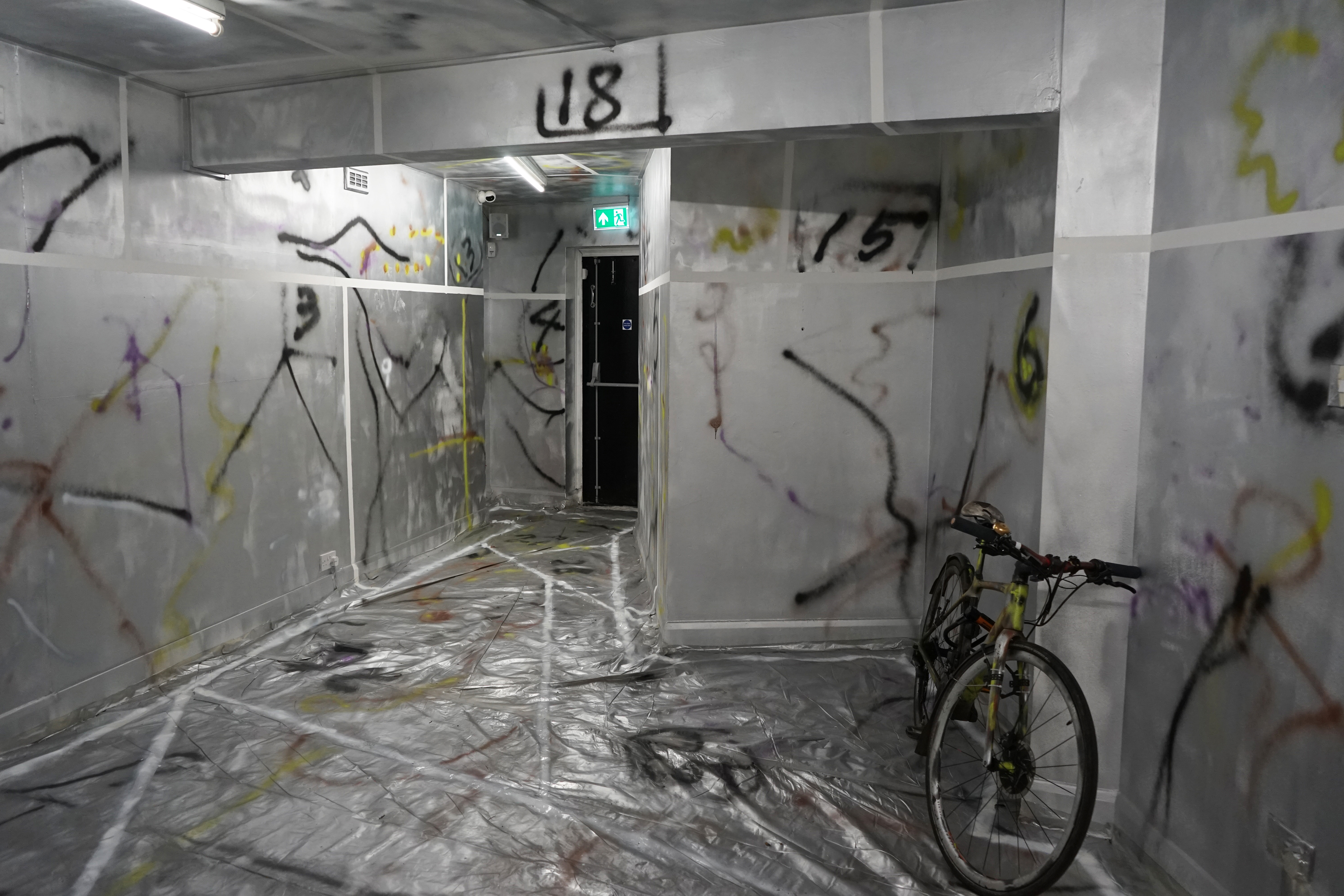
'P-1 x 28,' Ho-sa Wang, Installation shot, Dimensions variable
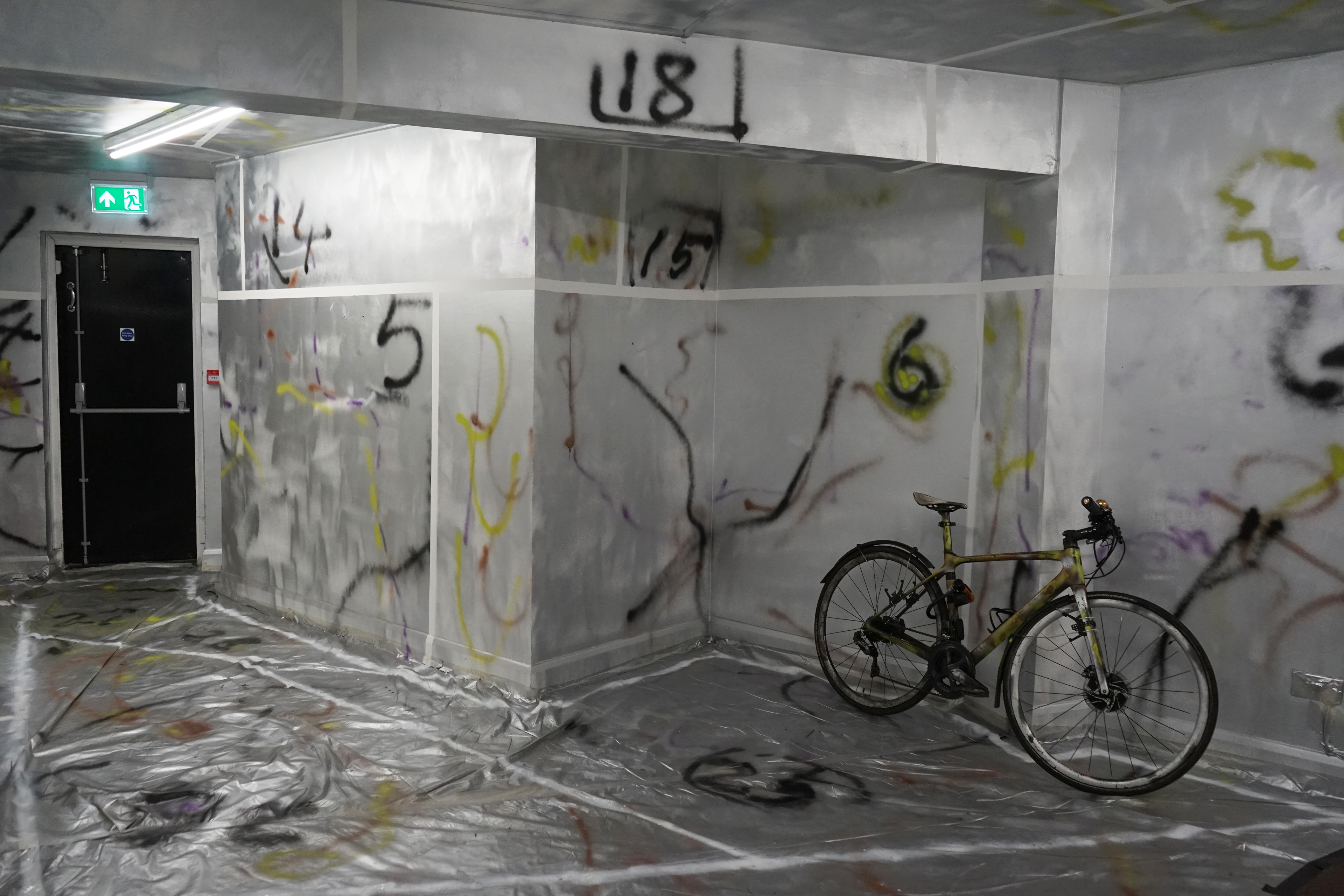
'P-1 x 28,' Ho-sa Wang, Installation shot, Dimensions variable
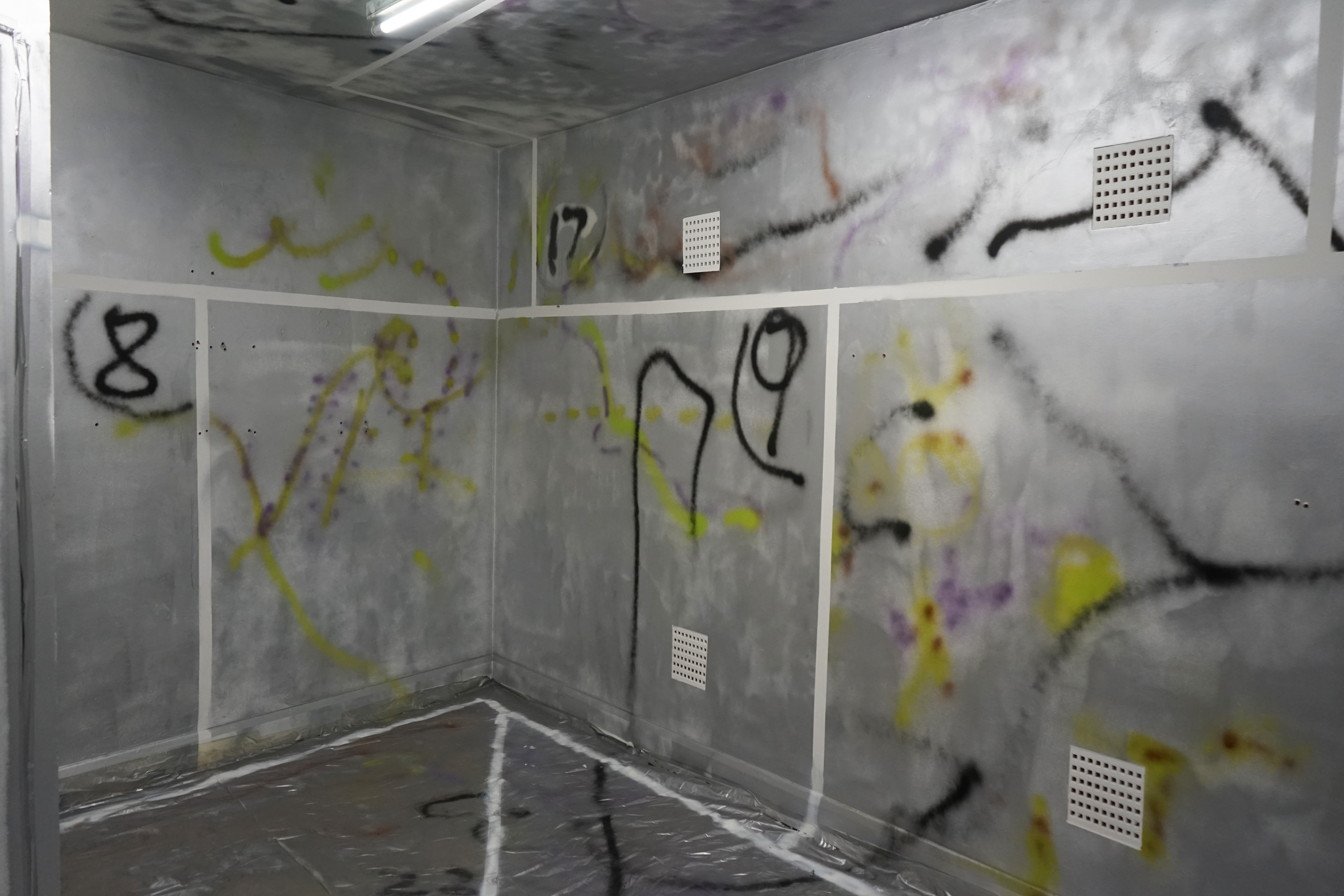
'P-1 x 28,' Ho-sa Wang, Installation shot, Dimensions variable
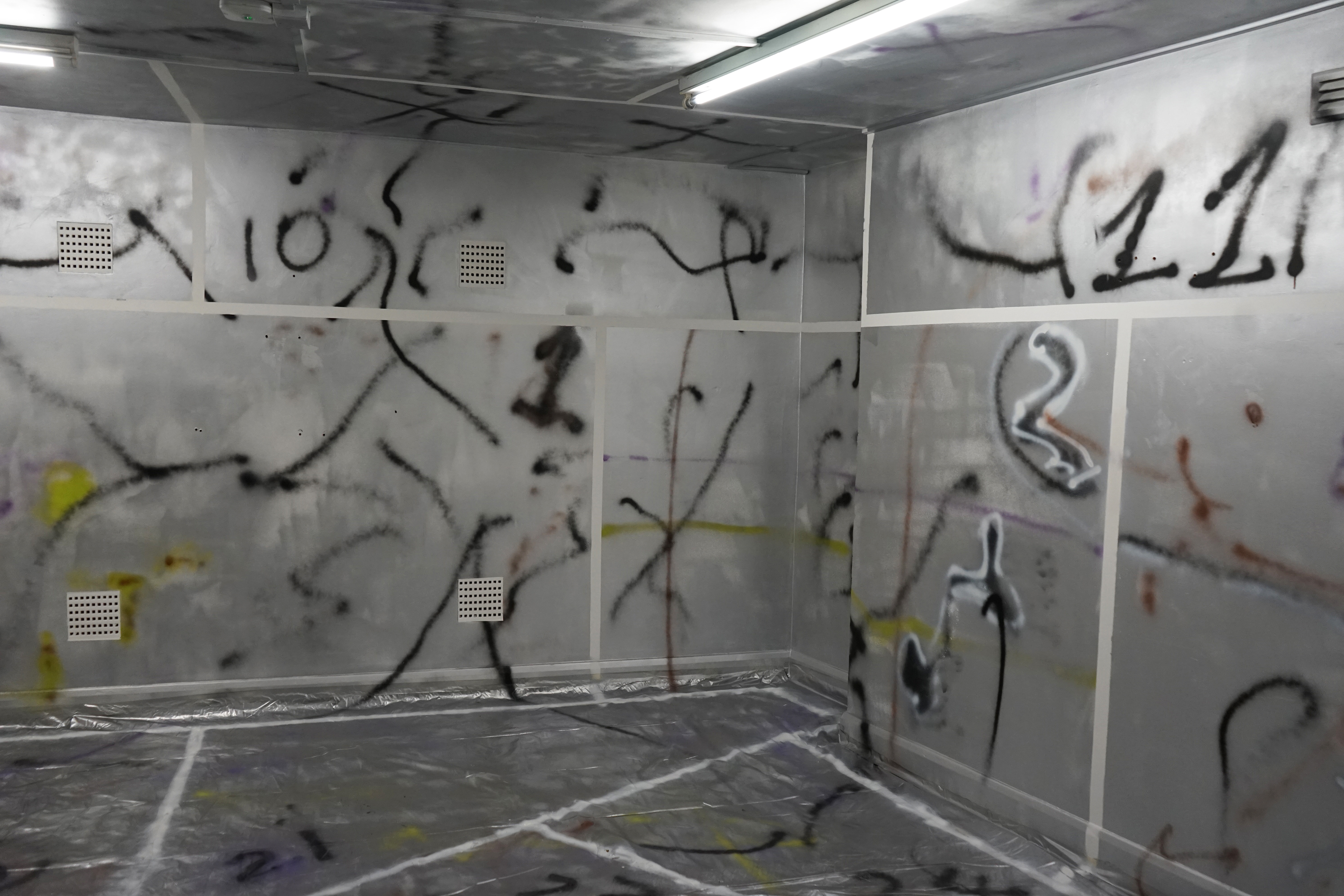
'P-1 x 28,' Ho-sa Wang, Installation shot, Dimensions variable
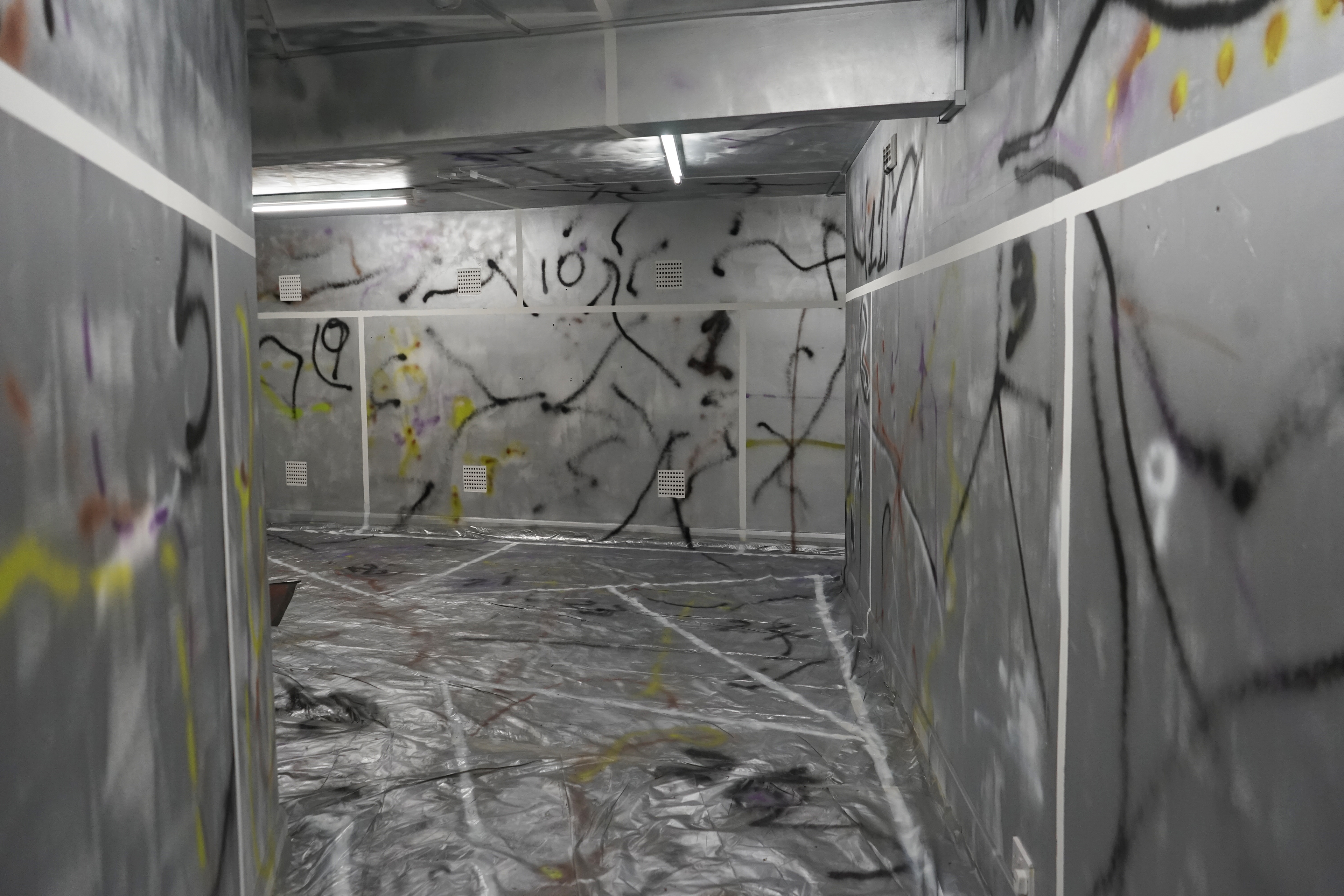
'P-1 x 28,' Ho-sa Wang, Installation shot, Dimensions variable
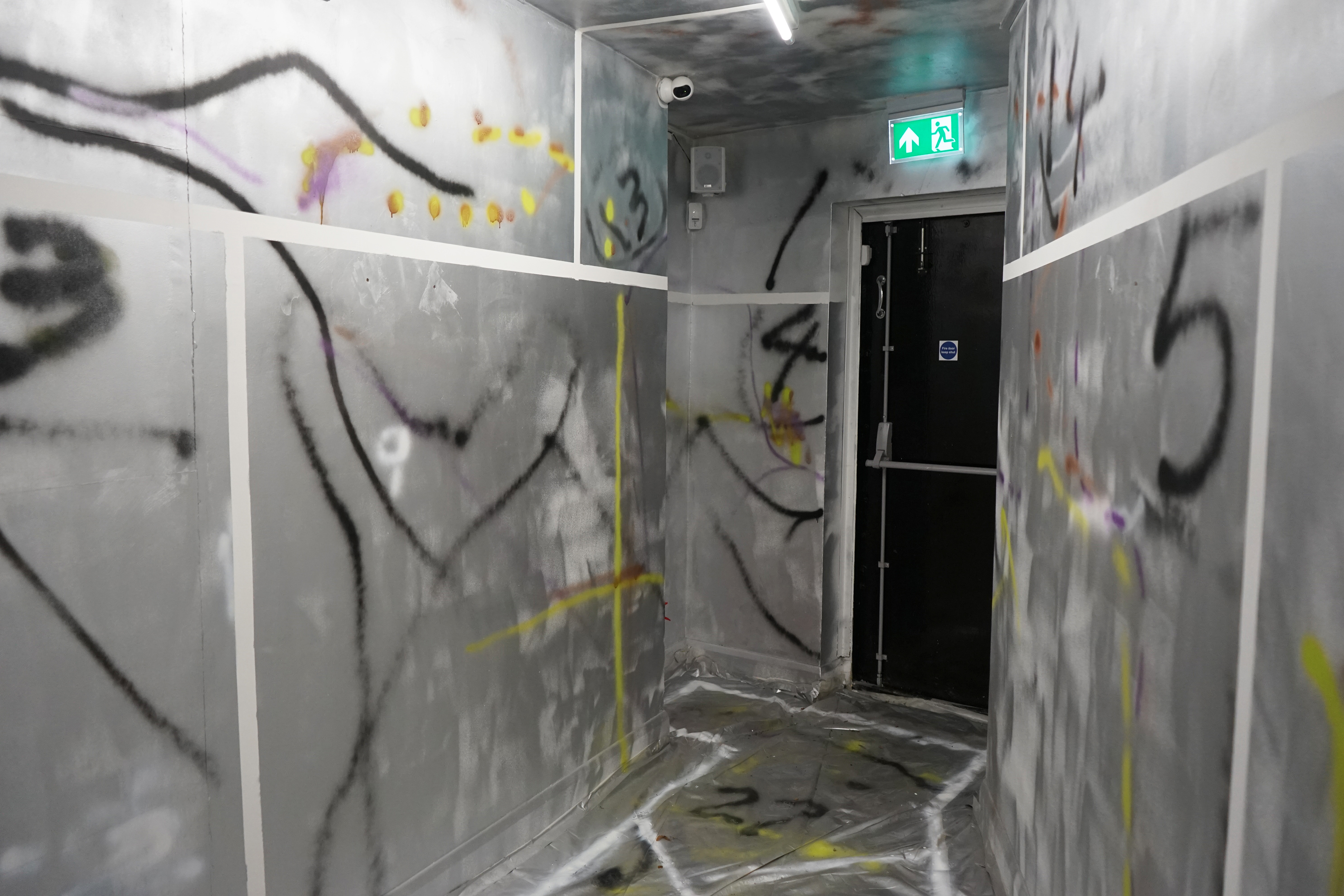
'P-1 x 28,' Ho-sa Wang, Installation shot, Dimensions variable
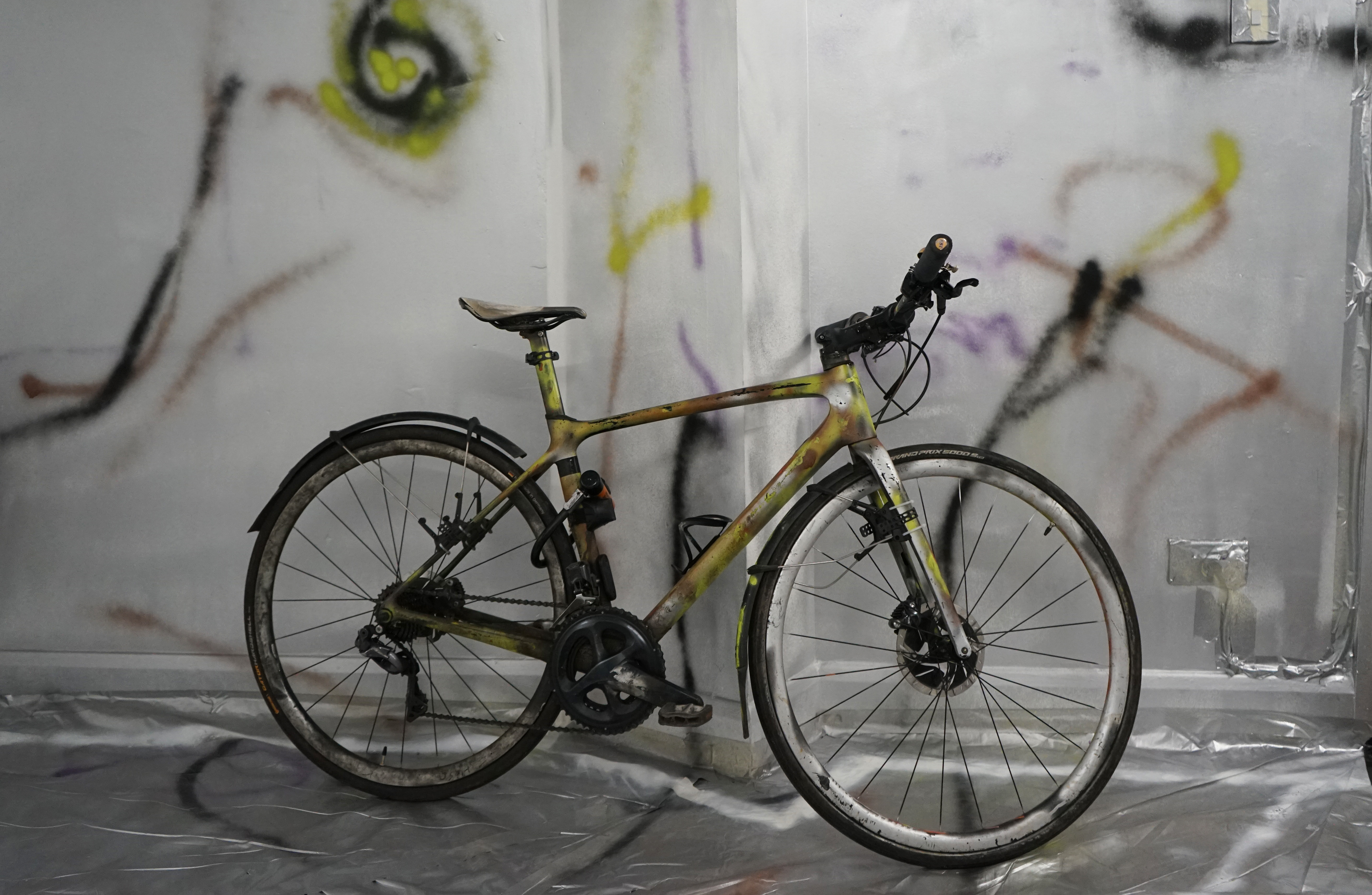
Twilight Contemporary is thrilled to present Vomit Green and Muddy Brown, the first UK solo exhibition of London-based Taiwanese artist Ho-sa Wang. Playful, yet distinctly confrontational, the title of the exhibition encapsulates the essence of Wang’s artistic process. It is a direct challenge (a dare almost) to overcome our initial reactions of bewilderment and confusion in order to look further.
Vomit Green and Muddy Brown finds its specific origins in Wang’s experience of having his bike stolen. In an experiment to see if ‘uglify-ing’ could act as a practical deterrent to theft, Wang spray-painted his replacement bike in the eye-watering, repellent clash of colours that gave its name to the exhibition. He also scratched, scuffed, scraped and carved various names across the metallic frame. Inspired by this process, Vomit Green and Muddy Brown is an exploration of the methods by which the viewer can be deterred, deferred and disrupted in the act of looking.
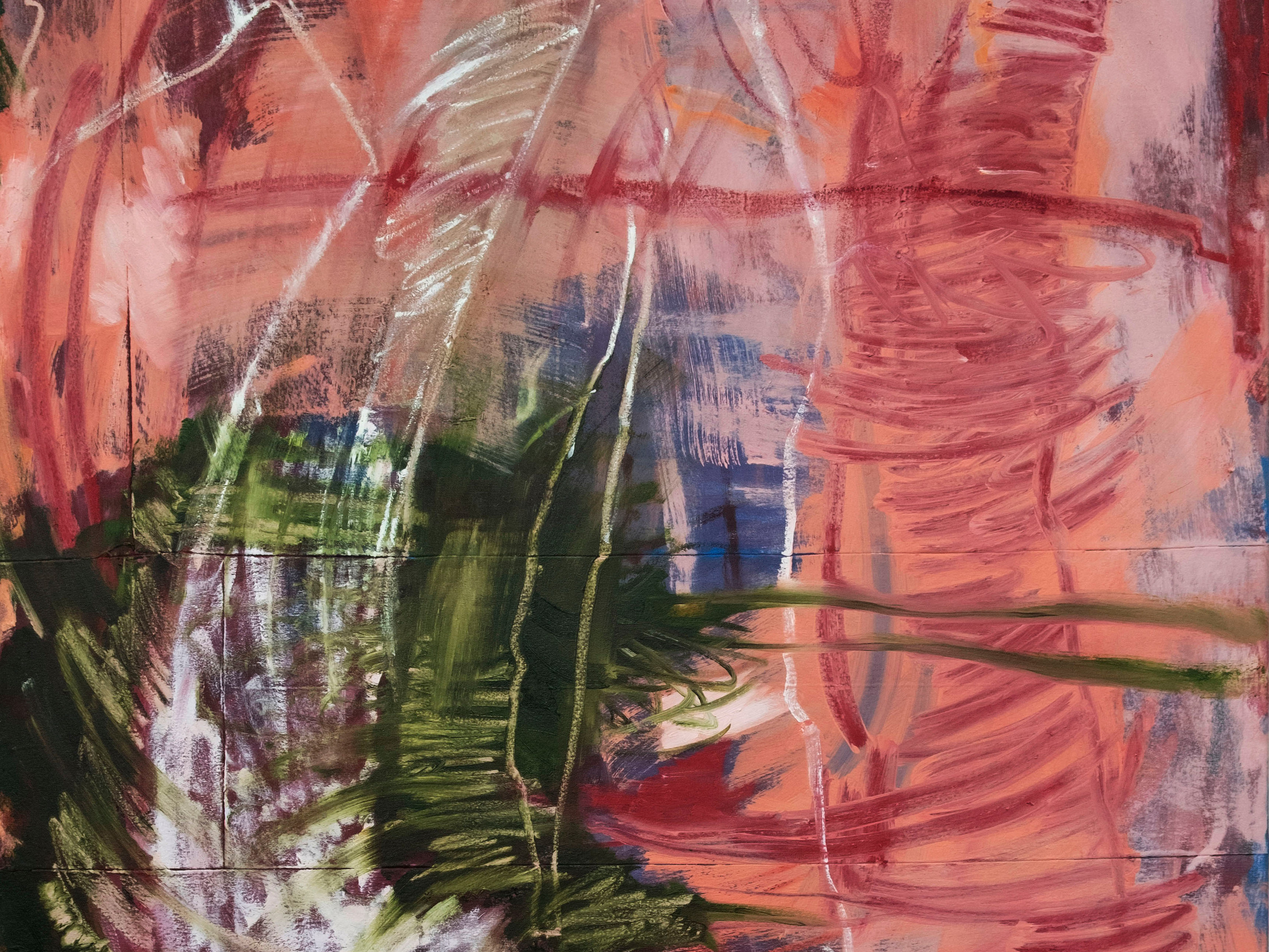
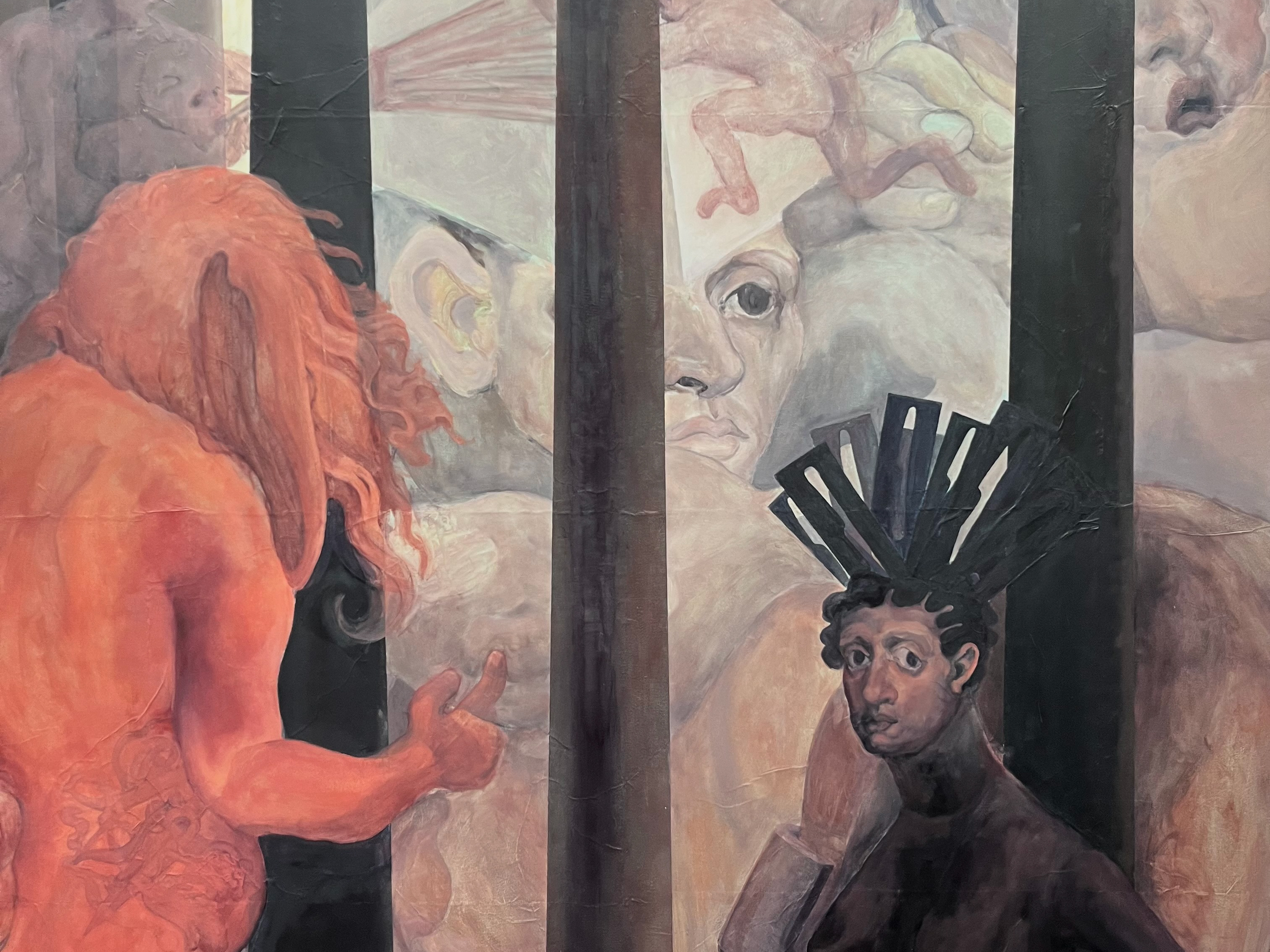
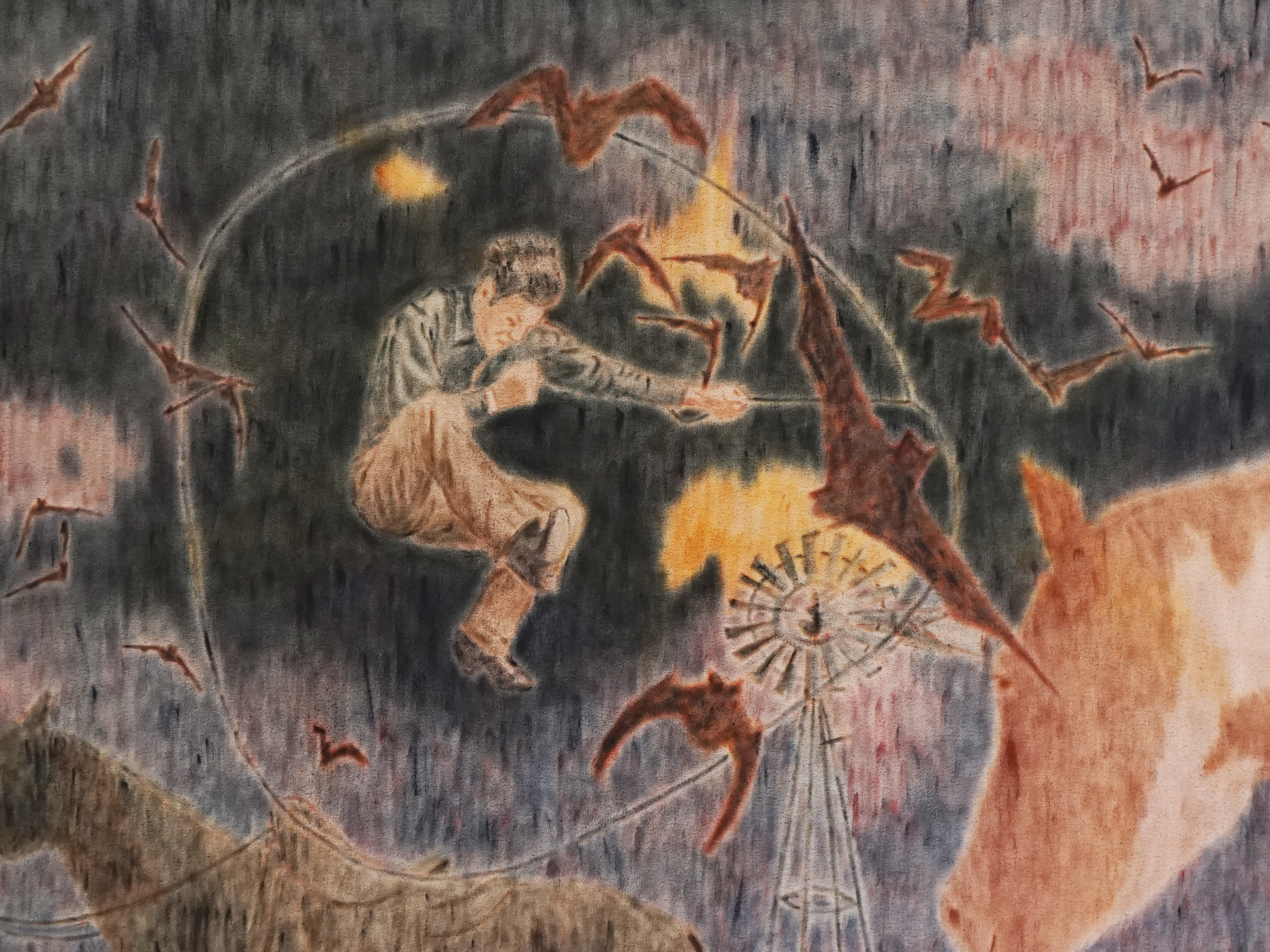
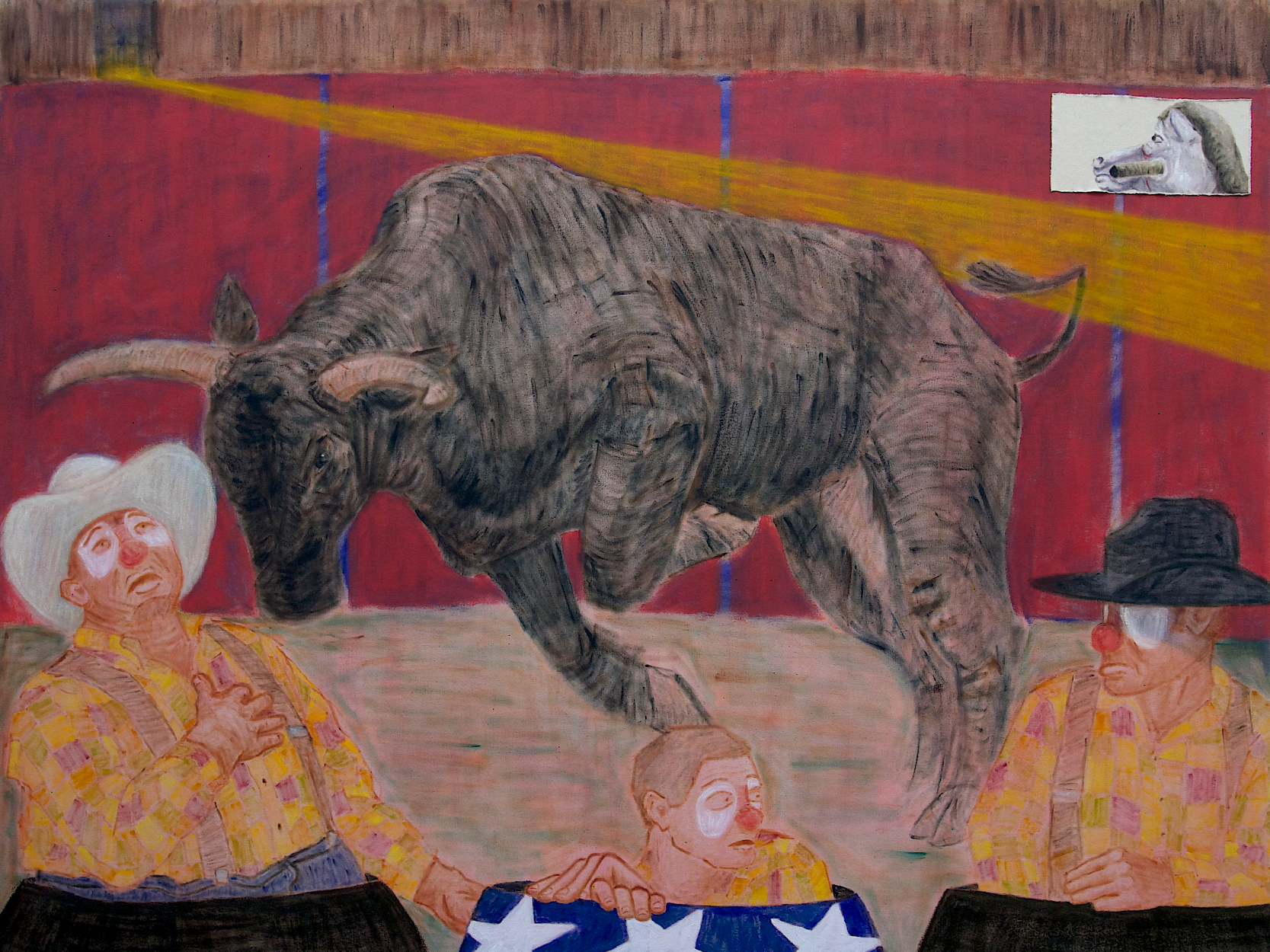
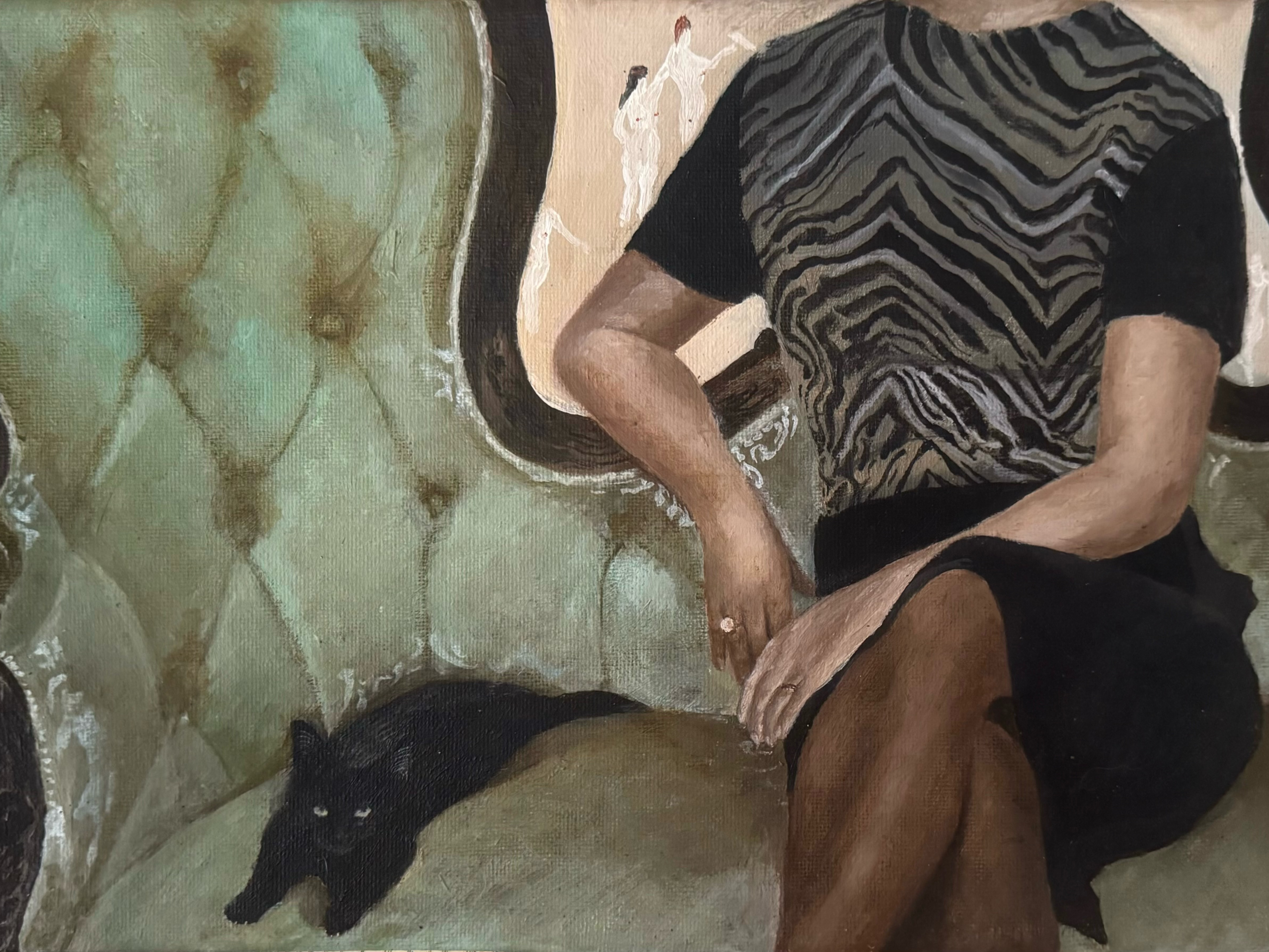
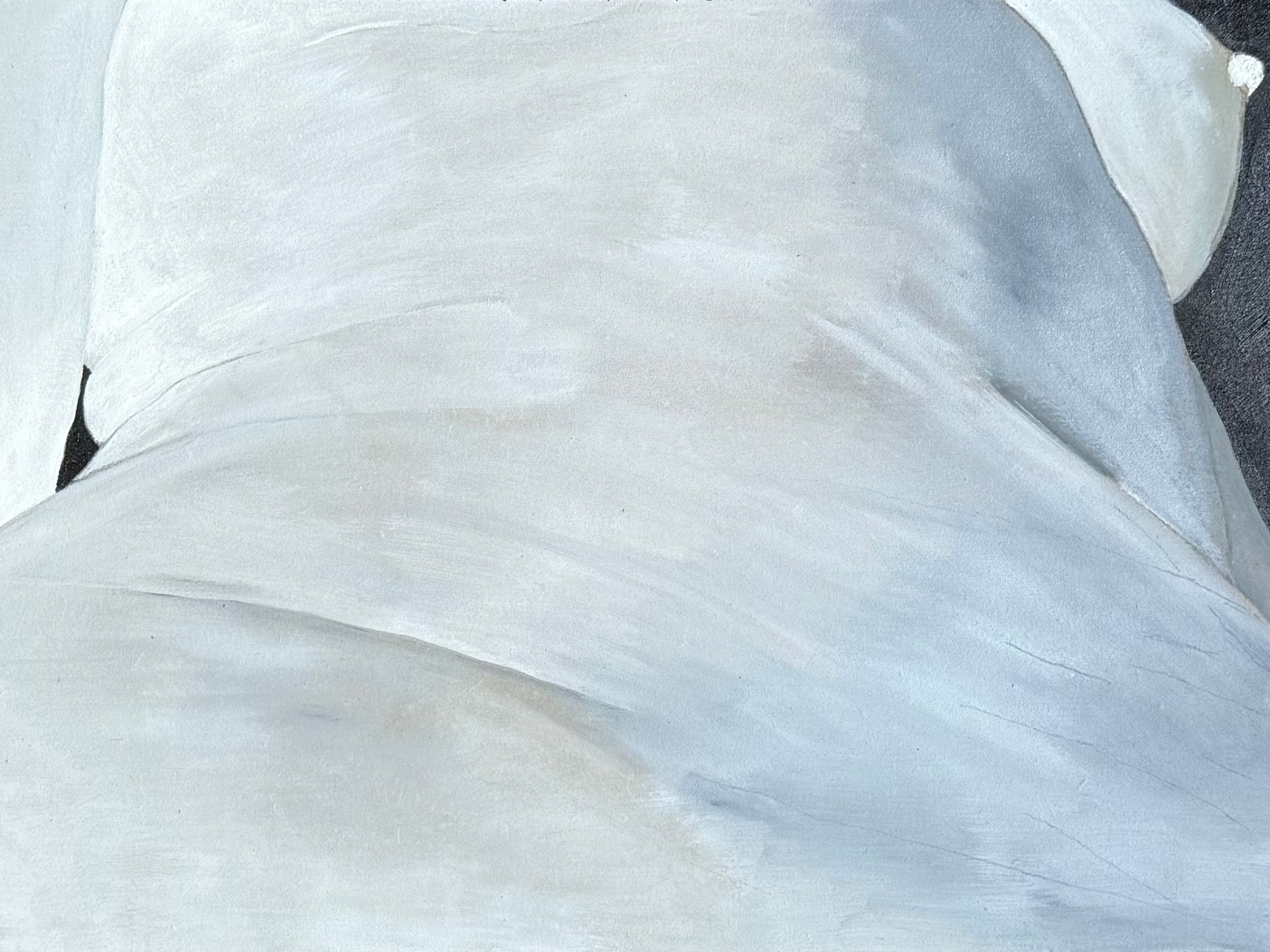
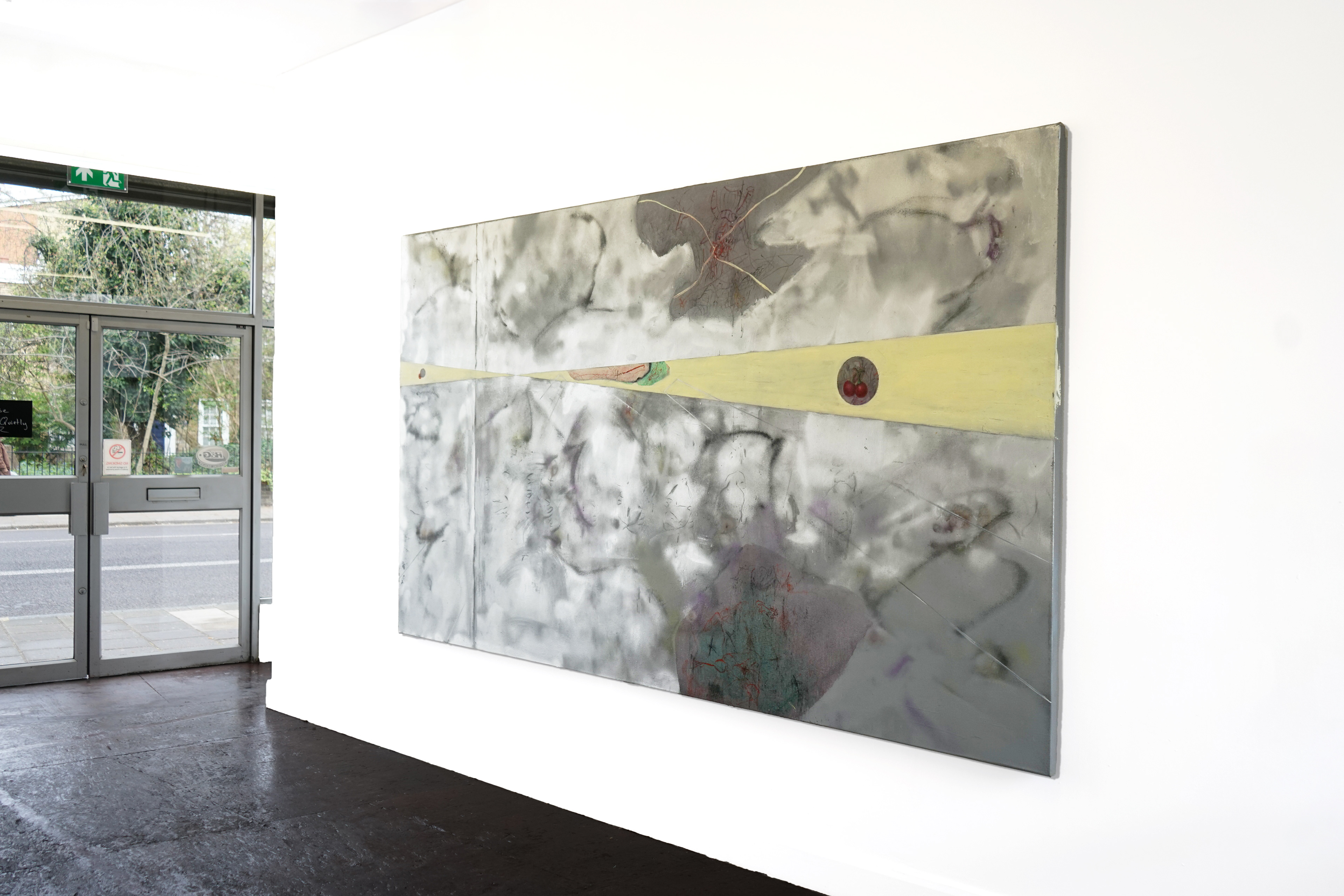
Wang’s immense pieces resist quick, easy classification or categorisation. They actively work against the viewer’s innate desire to subsume them into a reassuringly legible and unified whole. This effect is achieved by Wang’s implementation of various visual elements that act as hindrances, barriers or hurdles to seeing. At first glance, Wang’s compositions seem to be swathed in a nebulous wash of hazy and indeterminate colour, like a rolling cloud, fog or mist. In response to the fear of being lost adrift in this ambient atmosphere, the viewer’s eye desperately begins to search for something definite, something certain, to latch onto. Immediately, it is drawn to a diagrammatic set of fixed intersecting lines drawn with strict mathematical precision. These lines, resembling the construction lines of traditional perspective drawings, begin to suggest the presence of a real, three-dimensional physical space. However it is a space obscured, a phantom, lacking in any of the vital information to explicitly and accurately position us within it. From this it is clear that, in Wang’s work, the structures that we usually look to anchor and support us only serve to provide more ambiguity.
Looking elsewhere for something to root down in, the eye comes across a network of scratches and lines etched lightly into the surface of the work. Upon closer inspection, these tangles begin to resemble the human nervous system or an intricate network of capillaries. Suddenly, the whole surface becomes a skin: a thin, glistening, pallid membrane which barely conceals the complex web of organic systems underneath. But at the same time that the surface stands in for the human body, it also stands in for the body of the city/metropolis. The intersecting, overlapping, interlacing meshes of lines begin to resemble the criss-crossing labyrinth of an underground train map. In this way, each of Wang’s works could be seen to map out an alien topography, a birds-eye view of an unfamiliar landscape to be traversed.
Wang’s works are also disorienting in their physicality. They refuse to sit back placidly on the wall and instead jut out into physical space through sculptural interventions. Here, Wang transposes the concrete geometry of the urban, pedestrian space into the gallery. The form and aspect of familiar objects like a kerb, a ramp, or a simple paving stone suddenly become unfamiliar as they are re-contextualised and turned into something for the eye to navigate rather than the foot or the wheel.
Words by Jamie Hope & curation by Sam Hanson.
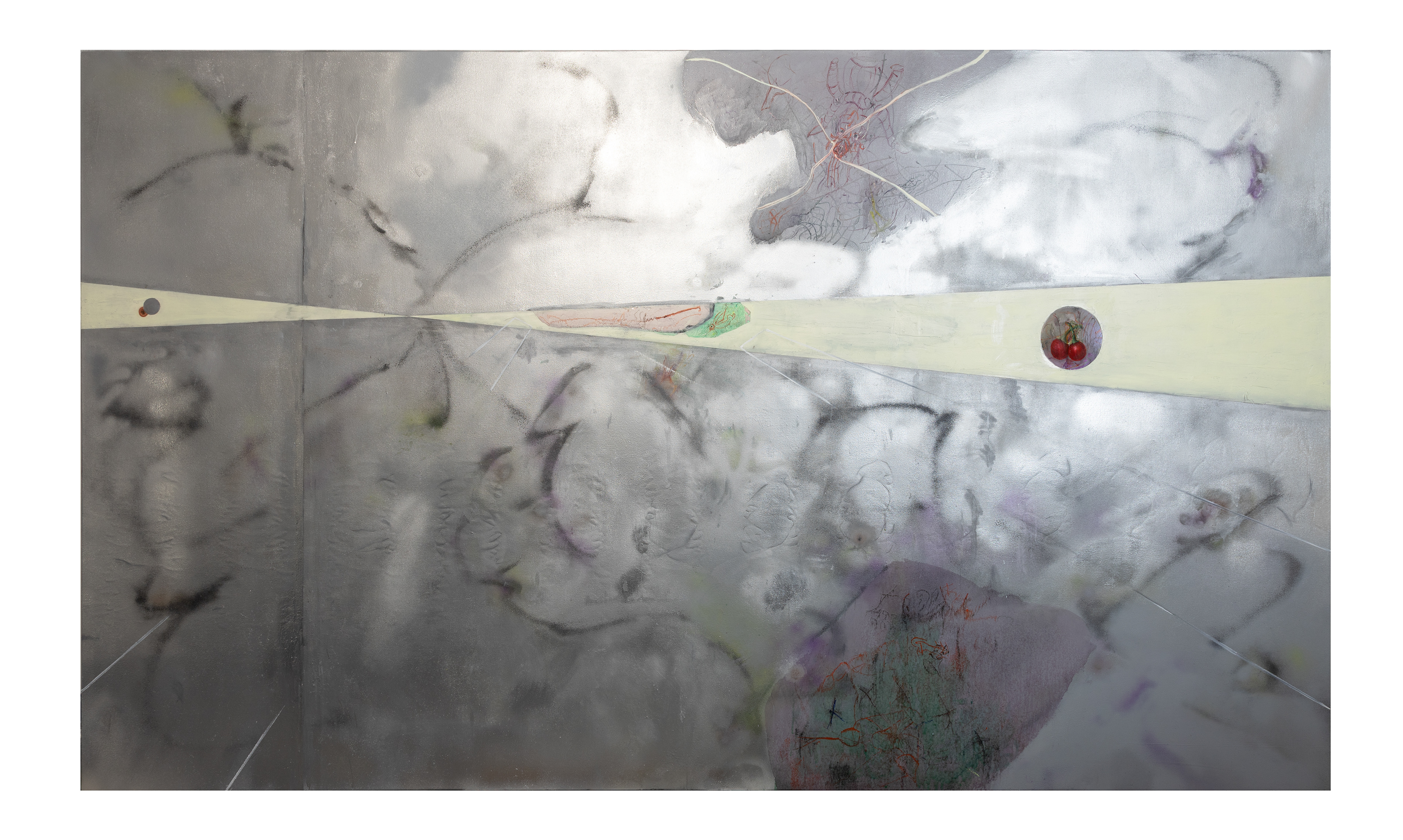
P-1 (Silver),
Oil and spray paint on canvas,
300 x 177 cm, 2026
Price on request
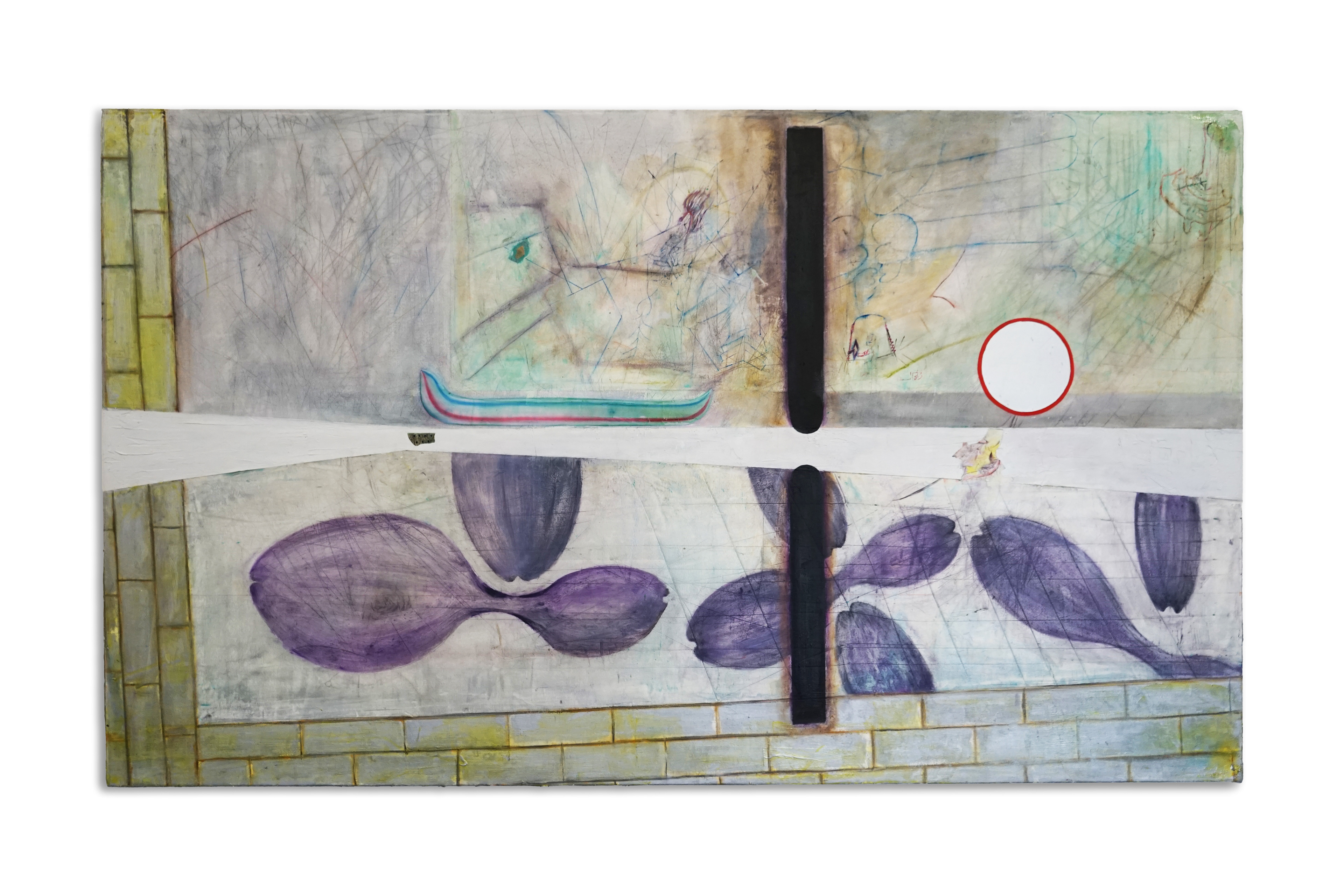
P-3,
Oil on canvas, 220 x 130 cm, 2026
Price on request
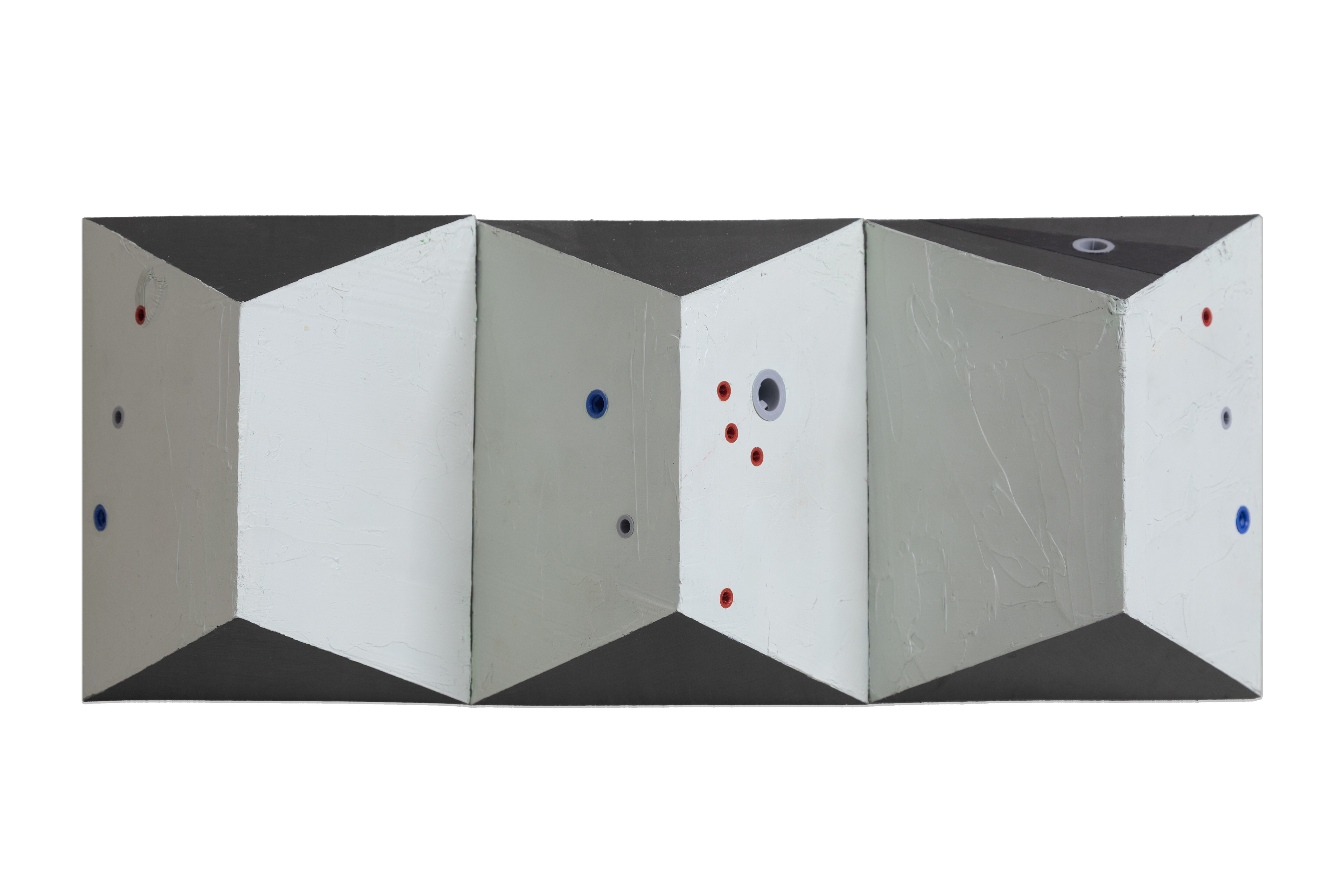
Unknown Layer 7,
Oil on board, aluminium and wall plug,
35 x 19 x 8 cm 2025
Price on request
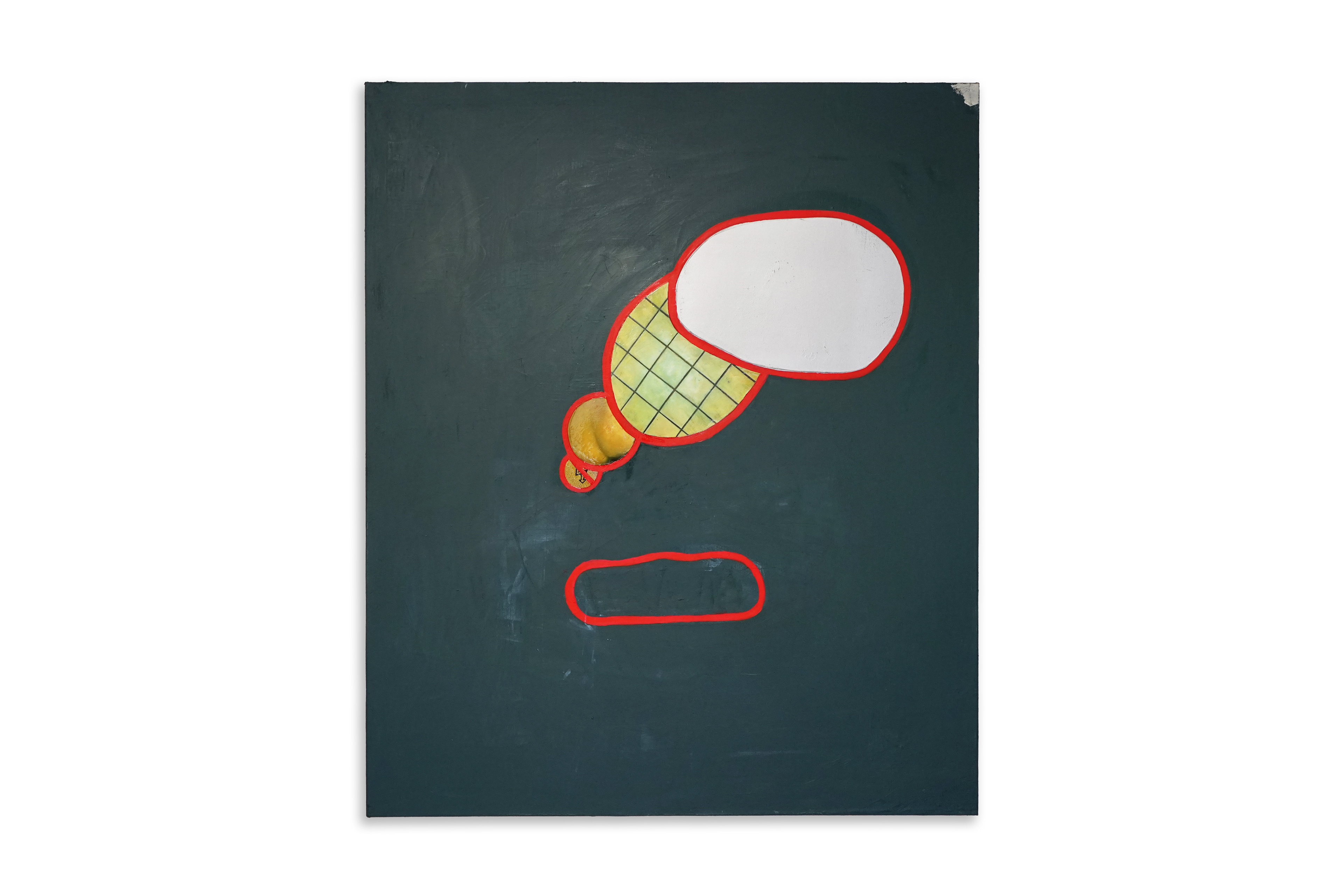
hmm,
Oil on canvas,
100 x 120 cm, 2026
Price on request
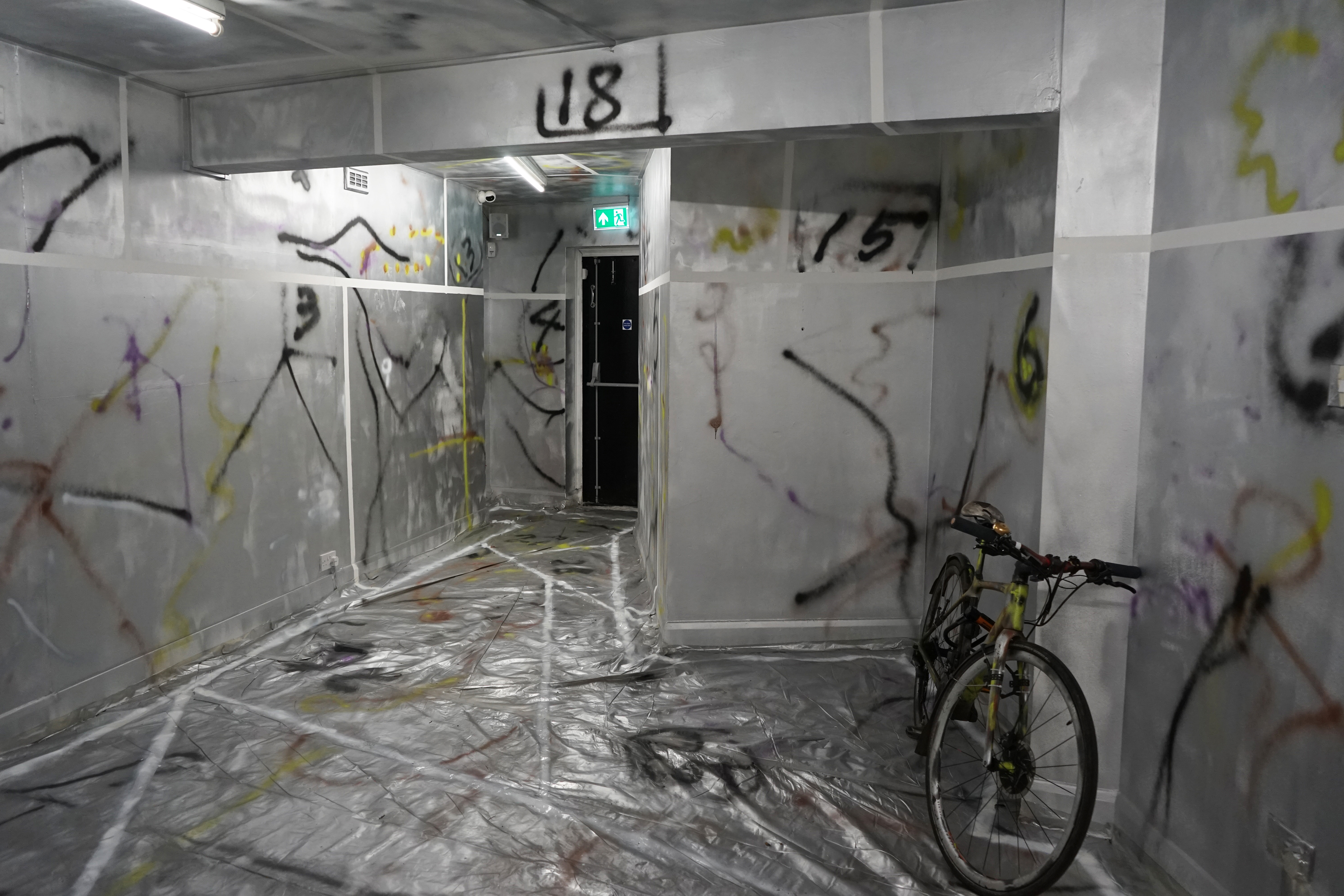
P-1 x 28,
AirTag, bearing ball, Black Inc Thirty, Continental Gator Hard Shell 700 x 28C Continental Gator Hard Shell 700 x 28C, ESI chunky grip, Giant City Sports pedal, Life360 Tile, Pitlock Anti Theft Rear Wheel Thru Axle - Black - 12 x 142 mm, Pitlock PIT Stopper Set (M5,M6), SHIMANO BL-RS600, SHIMANO SM-BB71- 41B, SHIMANO SW-M8050, SHIMANO Ultegra di2 11 speed, S-Works carbon MTB XC Race riser bars 620mm, S-Works Carbon Power Saddle 143mm, TCR Advanced Pro Disc Frameset (2022), SKS Raceblade Pro Mudguard and spray paint,
Dimension variable.
Price on request
JOIN OUR MAILING LIST:
Thank you!
For all sales enquires : enquiries@twilightcontemporary.com
Copyright 2026 © Twilight Contemporary Ltd.